
mum's hand holding cot while worrying about the long term effects of lack of oxygen at birth

The Causes, Signs, and Long-Term Effects of a Lack of Oxygen at Birth

When a baby is deprived of oxygen during birth, parents are often left with more questions than answers. Our guide explains the causes, warning signs, and long-term effects, while also covering how clinical mistakes may have contributed to the outcome. It is designed to help families understand what happened to them; and what support is available.

Read More »
pregnant mum worried about hie grades rubs tummy

HIE (Hypoxic Ischaemic Encephalopathy) Grades and Stages: Understanding Your Baby’s Diagnosis

When a baby has been diagnosed with HIE (Hypoxic Ischaemic Encephalopathy) one of the first things parents will be told is the grade of the condition. This information can sometimes feel overwhelming, frightening, and difficult to process.
Our guide explains HIE grades, explaining what each stage means for your baby’s development and long-term outlook. It is designed to help families understand the medical, emotional, and legal support available to them following a diagnosis.

Read More »
a parent father holds the hand of a small child who has been diagnosed with (hie) hypoxic Ischaemic encephalopathy

Understanding Hypoxic Ischaemic Encephalopathy (HIE): A Guide for Parents

The moment a new baby arrives should be one of life’s most joyful events. When there is a diagnosis of HIE (hypoxic ischaemic encephalopathy), the outcome can feel overwhelming. There is so much to take in and so many questions, often while experiencing a troubling feeling that something during the pregnancy, labour, or delivery did not go the way it should have.

Our guide explains everything parents need to know about HIE. Learn more about how it happens, what a diagnosis means for a child’s future, and what support is available.

Read More »
stethoscope sitting on medical notes to represent the outcome of the amos report for families

Amos Report Latest: A Birth Injury Specialist’s Response

A rapid review, led by Baroness Valerie Amos, has called for urgent change to the way women, birthing people, and families are treated – examining why serious and avoidable harm continues to occur in maternity and neonatal care. A leading birth injury specialist explains why she believes nationwide consistency is the key takeaway from Baroness Amos’s Report.

Read More »
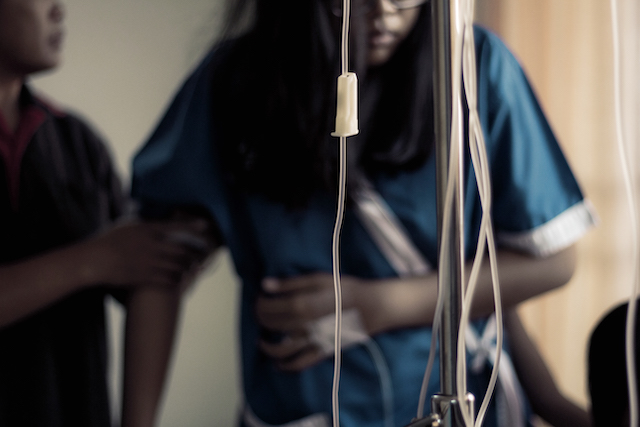
pregnant woman with iv drip in blog about marthas rule during the nuh maternity scandal

Leading legal expert highlights Martha’s Rule change as “enormous” for families following “harrowing” Ockenden review

A leading legal expert believes an impending change to Martha’s Rule is “enormous” for families following the publication of the Ockenden review into maternity services at Nottingham University Hospital NHS Trust.

The report, which found more than 500 mothers and babies died or “suffered potentially avoidable harm”, was published after a review by senior midwife Donna Ockenden.

One of the immediate steps to be taken in the wake of the review will see a rollout of Martha’s Rule across all maternity services. This will add additional protection to mothers and babies by giving them formalised, 24/7 access to a second opinion.

Read More »
Two women hugging in a hospital room following maternity services in Wales

Maternity Services in Wales: What the 2026 Safety Assessment Reveals for Families

A recent all-Wales assurance assessment of maternity and neonatal services, published in February 2026, has provided a comprehensive and up-to-date picture of maternity safety in Wales.
Whilst many families report receiving high-quality, safe, and compassionate maternity care across Wales, the assessment also paints a bleak picture of systemic issues around staff shortages, unsafe and inconsistent practices throughout all seven Health Boards, resulting in avoidable harm.

Read More »
a woman whose breast cancer was misdiagnosed sits upright while a nurse performs an examination

What Can You Do if Your Breast Cancer Was Misdiagnosed?

Delays in diagnosis of breast cancer can change everything from the treatments available to the long-term impact on your physical and emotional wellbeing. When that delay is found to have been avoidable, this raises questions around potential clinical negligence. CL Medilaw explains what a delayed or missed diagnosis looks like, when it may become a legal matter, and what support is available for those affected.

This guide explains what a delayed or missed diagnosis looks like, when it may become a legal matter, and what support is available if you have been affected.

Read More »

Keep up to date with everything going on

Join our mailing list