
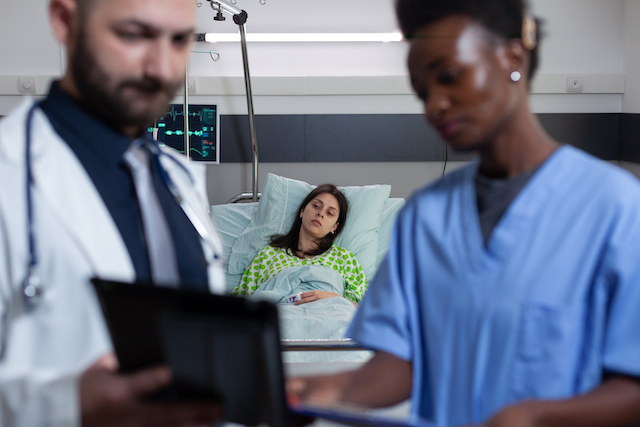
The Oxford maternity services report and its impact on families
Legal commentary from Laura Cook, Partner and Birth Injury Specialist at CL Medilaw
The long-awaited National Maternity and Neonatal Investigation report by Baroness Amos was released this week, including the individual report on Oxford University Hospitals NHS Foundation Trust (OUH).
For many of the harmed families and bereaved parents who contributed to the process, the publication of the Oxford maternity services report has brought deep disappointment. These are families who bravely shared their experiences, reliving trauma in the hope that their voices would finally be properly heard.
A focus that risks overlooking lived experience
Despite the Oxford maternity services report identifying concerns including families not being listened to, chronic understaffing, and a lack of basic care, a significant proportion of the findings focus on staff experience and the condition of hospital buildings.
While these issues are important, families argue that this emphasis risks shifting attention away from the harm suffered by mothers and babies.
Cases involving babies left with brain injuries leading to cerebral palsy and lifelong disabilities, avoidable baby deaths, and mothers left with significant physical and psychological injuries receive comparatively limited attention.
These are not abstract outcomes; they are the human consequences of systemic failings in maternity care at OUH.
The human impact behind the findings
The real story behind the Oxford maternity services report is the impact on families when warning signs were dismissed, when concerns about bleeding, reduced fetal movements, or waters breaking were not acted upon, and when parents had to fight to be heard at the very moment they needed care and protection.
For families whose babies suffered catastrophic injury, the consequences are lifelong. Brain damage and cerebral palsy mean years of therapy, treatment, adaptations, exhaustion, grief, and ongoing care responsibilities.
For mothers, avoidable harm can result in lasting pain, traumatic recovery, psychological injury, fear surrounding future pregnancies, and a loss of trust in maternity services.
These experiences deserve more than passing recognition. They should sit at the centre of any investigation into maternity safety.

Leadership and accountability concerns
Another striking aspect of the Oxford maternity services report is concern about whether senior leadership at OUH fully recognises the operational pressures, cultural issues, and patient safety concerns raised by staff and families.
The report states:
“There appeared to be limited understanding of the concerns staff had regarding patient safety. Leaders explained staff distress as arising from increased media scrutiny and CQC inspections.”
It concludes that, although external scrutiny did affect staff, the senior leadership team had “limited insight” into how internal operational pressures were contributing to distress.
From our experience acting for many families and children harmed by maternity failings at OUH, these findings are deeply concerning but not unexpected.
CL Medilaw’s Laura Cook Comments
“Many of the families that contributed to Amos’ investigation are part of the ‘Families Failed by Oxford Maternity Services’ campaign… I am deeply disappointed for them that yet again their stories have not been told. Perfectly healthy babies born with avoidable brain injuries, babies’ lives lost due to indifference or ignorance of mothers’ reported concerns, women with life-altering pelvic injuries or PTSD due to birth trauma that needn’t have happened had basic levels of care been provided. These are the real stories behind poor maternity care, and they come with great human cost. OUH needs an urgent culture shift amongst its leaders and senior clinical staff before any of the report’s wider recommendations will make a difference at this Trust, and to show they are willing to change.”
For those seeking support
We recognise that reading about the findings of the Oxford maternity services report may be distressing for families who have experienced similar care, or who remain uncertain about what happened during their own maternity journey.
If you or your family have been affected by maternity care at Oxford University Hospitals NHS Foundation Trust, or at any other NHS Trust, and would like advice about your options, you can contact CL Medilaw’s birth injury team for a confidential discussion.
We are here to listen, and to support families in understanding whether their experiences may be linked to avoidable harm.
Related Posts
For over 30 years, CL Medilaw has been helping people who have been injured by a medical mistake or a serious accident. Many of [...]

MPs used the Baby Loss Awareness Week debate on 12th October 2026 to press for accountability, consistent bereavement support, and measurable improvements in maternity [...]
Shoulder dystocia during delivery is one of the most serious complications that affects mothers in labour. However, unlike many other birth injuries, it is [...]
Saturday 26th of September marked an important step forward in the independent review of maternity and neonatal care at Leeds Teaching Hospitals NHS Trust, [...]

County Durham and Darlington NHS Foundation Trust revealed last week that they were carrying out an internal review of their breast cancer services following [...]
The Thirlwall Inquiry has published its final report into events at the Countess of Chester Hospital, finding a “complete failure to protect babies” on [...]

Concerns about maternity and neonatal care at Leeds Teaching Hospitals NHS Trust have been building for several years, leading to the launch of an [...]
When a baby is deprived of oxygen during pregnancy, labour, or birth, families are often left searching for answers long after leaving the hospital. [...]