
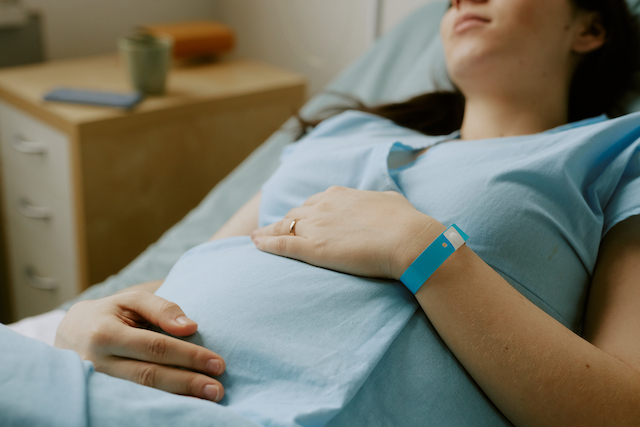
When families walk into a delivery suite, they expect to leave with a healthy baby and a happy story to share with loved ones. But when alarms go off, medical staff rush in, or their baby requires resuscitation, the story they were hoping to tell can change in an instant.
The days that follow a difficult birth are, for many, a blur of medical terminology, challenging conversations, and a genuine need to understand what happened. If a baby has been diagnosed with HIE (Hypoxic Ischaemic Encephalopathy) one of the first things parents will be told is the grade (or stage) of the condition. That information can feel overwhelming, frightening, and difficult to process.
This guide explains HIE grades, and what each one means for your baby’s development and long-term outlook. It also covers the medical, emotional, and legal support available to families adapting to this diagnosis.
What is HIE (and What Causes it)?
HIE stands for Hypoxic Ischaemic Encephalopathy, a type of brain injury that occurs when a baby’s brain doesn’t receive enough oxygen or blood flow around the time of birth. It affects around 1–2 in every 1,000 full-term births in the UK and is one of the leading causes of long-term neurological disability in newborns.
HIE can happen for reasons outside anyone’s control. But in some cases, it may be linked to failures in clinical care; such as a delayed response to signs of foetal distress, failure to act on CTG abnormalities, or a delayed decision to perform an emergency caesarean. If any of these feel familiar, it may be worth exploring whether the care your family received met the required standard.
For a fuller explanation of HIE and its causes, take a look at our blog: Understanding Hypoxic Ischaemic Encephalopathy (HIE): A Guide for Parents.
.
HIE Grading: Understanding the Stages
When a baby is diagnosed with HIE, doctors will assess the severity of the condition using an HIE grading system. In the UK, the most widely used system is the Sarnat Scale, which classifies hypoxic ischaemic encephalopathy grades into three stages: mild (Grade 1), moderate (Grade 2), and severe (Grade 3).
HIE grading is based on a clinical assessment of the baby’s neurological function, including level of consciousness, muscle tone, reflexes, the presence of seizures, and breathing. Brain activity monitoring (aEEG or CFM) and MRI scans are also used to support the assessment.
Understanding your baby’s HIE grade is vital because it will guide future treatment decisions and give you an indication of likely outcomes.
HIE Grade 1 (Mild HIE)
What it looks like: Babies with Grade 1 HIE may appear irritable, hyper-alert, or unsettled. They may have either slightly reduced or increased muscle tone, a poor sucking reflex, and feeding difficulties. They are typically alert and responsive, but may be difficult to settle.
Treatment: Babies with mild HIE are monitored closely but do not usually receive therapeutic hypothermia (cooling treatment), as the evidence for its benefit in mild cases is currently insufficient outside of clinical trials.
HIE Grade 1 prognosis: The outlook for babies with mild HIE is generally positive. Most children make a full recovery, with no lasting neurological problems. However, some research suggests a small number of children with this HIE grade may experience subtle difficulties later in childhood, such as problems with attention, learning, or behaviour. As a result, follow-up monitoring remains important.
HIE Grade 2 (Moderate HIE)
What it looks like: Babies with HIE grade 2 show more marked signs of neurological impairment. They are typically lethargic and may be difficult to rouse. Muscle tone is often reduced. Seizures are common and may start within the first 24 hours. Reflexes such as sucking and grasping may be weak or absent.
Treatment: Babies with moderate HIE are typically eligible for therapeutic hypothermia, provided it can be started within six hours of birth. This involves placing the baby on a specialist cooling blanket that lowers body temperature to 33–34°C for 72 hours. The goal is to slow the progression of brain cell death and reduce long-term damage. Research shows this treatment can significantly improve outcomes when started promptly.
HIE Grade 2 prognosis: Outcomes for babies with moderate HIE can vary widely. With prompt treatment and ongoing medical care, many children make good progress, although some may experience longer-term challenges as they grow. These can include conditions such as cerebral palsy, epilepsy, learning difficulties, speech and language challenges, or developmental delays.
In many cases, the full picture becomes clearer over time as children approach important developmental milestones. Regular follow-ups with a specialist team can help monitor their progress and ensure that any additional support is provided for them as early as possible.
HIE Grade 3 (Severe HIE)
What it looks like: Severe HIE represents the most serious end of the spectrum. Babies with HIE Grade 3 are profoundly unresponsive or in a coma-like state. There is typically no normal brain activity detectable. Seizures may be prolonged and difficult to control. Muscle tone is severely affected. The baby may require ventilation support to breathe.
Treatment: Cooling treatment is used for severe HIE, though the prognosis remains very serious. Medical staff will also focus on managing seizures, stabilising breathing and heart function, and supporting the family through this extremely difficult time. In the most serious cases, families may face conversations about palliative care.
HIE Grade 3 prognosis: Severe HIE grading is associated with a higher risk of serious complications, although every child’s experience will be unique. According to the Sarnat scale, some studies report mortality rates of up to 50% in the most severe cases, and many surviving children may experience significant neurological difficulties. These can include cerebral palsy, learning disabilities, epilepsy, visual or hearing impairment, and challenges with feeding, communication, or development.
While these statistics may seem overwhelming, they cannot predict an individual child’s future. Some children make much more progress than initially expected, particularly when there is early intervention and ongoing support. Families may also benefit from a multidisciplinary care team and access to practical and emotional support throughout their child’s development.
Was HIE Avoidable? Questions Families Are Entitled to Ask
For many families, the months following an HIE diagnosis bring a painful realisation: the signs may have been there, and something could have been done differently.
It is entirely reasonable to ask whether:
- The CTG trace showed signs of fetal distress that were not acted upon.
- There was a delay in performing an emergency caesarean.
- Staff failed to recognise the warning signs of a cord prolapse or placental abruption.
- The baby was not resuscitated promptly enough at birth.
These are not simply emotional reactions to a traumatic experience, they are clinically and legally significant questions.
In England and Wales, healthcare professionals are required to provide care that meets the standard of a competent and reasonable practitioner. If that standard is not met, and if that failure caused or materially contributed to a baby’s injury, families may be entitled to bring a clinical negligence claim.
While no legal process can undo what has happened, it can make a meaningful and practical difference. A successful claim can secure funding for:
- Specialist therapies and rehabilitation.
- Adaptations to the family home.
- Specialist equipment.
- Educational support.
- Lifelong care needs that statutory services cannot fully provide.
Vitally, bringing a claim can also provide answers. An independent expert review of the medical records can establish what happened, whether standards were met, and if the injury was avoidable. For many families, that clarity is almost as important as the financial support, as it can foster a sense of accountability, understanding, and, in some cases, closure.
If you would like to understand whether your child’s injury could have been prevented, seeking early legal advice can help you make an informed decision about the next steps.
What Support is Available for Families?
An HIE diagnosis can affect the whole family unit in both practical and emotional ways. Here is an overview of the non-legal support available.
- Medical and therapeutic support: Children with moderate or severe HIE will typically be referred to community paediatric services, physiotherapy, occupational therapy, speech and language therapy, and specialist neurodisability teams. Early intervention is important and can make a real difference to long-term outcomes.
- Emotional support: Organisations such as Bliss: the UK’s leading charity for premature and sick babies, and PEEPS HIE: a peer network connecting families affected by HIE, offer invaluable support, community, and resources. CL Medilaw has established relationships with both charities and has been selected to sit on their independent legal panels, meaning anyone referred through these organisations can access trusted legal guidance in their region.
- Educational support: Children with HIE-related disabilities are entitled to an Education, Health and Care (EHC) Plan, which ensures their school and local authority put the right provisions in place as they grow.
How CL Medilaw Can Help
At CL Medilaw, we specialise in supporting families affected by birth injuries, including HIE. We understand that pursuing a legal claim is the last thing many families want to think about, especially in the early stages of a diagnosis. But we also know that many questions around how the injury happened and what it means often don’t go away.
As a firm selected to sit on the legal panels of leading newborn brain injury charities including Bliss and PEEPS HIE, we are proud to be a trusted resource for families at their most vulnerable.
Our team works sensitively and compassionately with those affected at every stage; from initial enquiries through to case resolution. We work with leading independent medical experts to assess what happened during labour and delivery, and we fight to secure the outcomes families deserve.
Where a claim is successful, compensation can make a life-changing difference. This support can be used to fund specialist therapies, home adaptations, equipment, educational support, and long-term care costs that statutory services are unable to fully cover.
If your baby has been diagnosed with HIE and you have concerns about the care received during pregnancy, labour, or birth, we encourage you to reach out for a free, no-obligation conversation.
Contact CL Medilaw today to speak with a specialist who understands the human reality behind every case.
Related Posts

For over 30 years, CL Medilaw has been helping people who have been injured by a medical mistake or a serious accident. Many of [...]

MPs used the Baby Loss Awareness Week debate on 12th October 2026 to press for accountability, consistent bereavement support, and measurable improvements in maternity [...]

Shoulder dystocia during delivery is one of the most serious complications that affects mothers in labour. However, unlike many other birth injuries, it is [...]
Saturday 26th of September marked an important step forward in the independent review of maternity and neonatal care at Leeds Teaching Hospitals NHS Trust, [...]

County Durham and Darlington NHS Foundation Trust revealed last week that they were carrying out an internal review of their breast cancer services following [...]
The Thirlwall Inquiry has published its final report into events at the Countess of Chester Hospital, finding a “complete failure to protect babies” on [...]

Concerns about maternity and neonatal care at Leeds Teaching Hospitals NHS Trust have been building for several years, leading to the launch of an [...]

When a baby is deprived of oxygen during pregnancy, labour, or birth, families are often left searching for answers long after leaving the hospital. [...]