
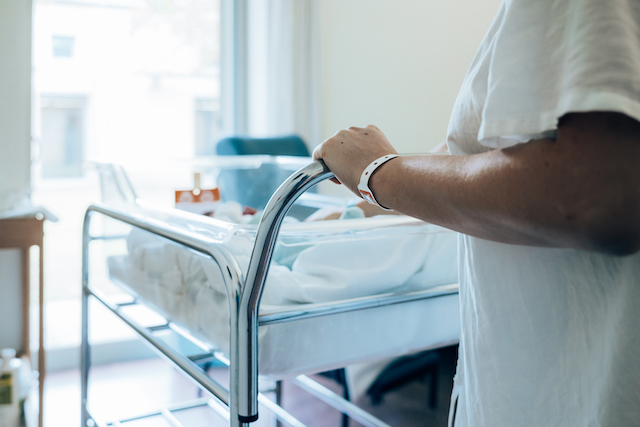
When a baby is deprived of oxygen during pregnancy, labour, or birth, families are often left searching for answers long after leaving the hospital. The medical terminology alone can feel overwhelming, and the information that is available online is not always easy to understand. Often, the most persistent question at this time is, ‘What if this could have been avoided?’
This guide is designed to provide those answers. It explains what oxygen deprivation at birth means, what can cause it, the signs to look for, and the possible long-term effects on a child’s health and development. It also sets out the medical, emotional, practical, and legal support available, so that, whatever stage a family is at, there is a clearer sense of what comes next.
For many parents, understanding the cause of their baby’s oxygen deprivation will also raise questions about the standard of care they received. Where clinical errors may have played a role, specialist legal support is available. This guide will explain what that support looks like.
What Happens When There is Oxygen Deprivation at Birth?
Oxygen deprivation at birth, also called birth asphyxia or perinatal asphyxia, occurs when a baby’s brain and other organs do not receive enough oxygen before, during, or shortly after delivery. The reality is that even a few minutes without adequate oxygen can cause serious damage to our brain cells.
The medical terms used most often are:
- Hypoxia: Reduced oxygen supply to the body.
- Anoxia: A complete absence of oxygen.
- Hypoxic-Ischaemic Encephalopathy (HIE): A brain injury caused by oxygen deprivation and restricted blood flow.
HIE is one of the most serious outcomes of oxygen deprivation at birth. If you have received this diagnosis for your baby, our related guides explain the condition in more detail. You can find them here:
- What is HIE? Hypoxic Ischaemic Encephalopathy Explained.
- HIE (Hypoxic Ischaemic Encephalopathy) Grades and Stages: Understanding Your Baby’s Diagnosis.
What Causes Oxygen Deprivation at Birth?
Oxygen deprivation can have several causes, and many of these are genuinely unavoidable medical events, However, others are linked to errors in clinical care. Understanding the difference matters, both for a family’s peace of mind and for the prospect of bringing a future legal claim.
Medical Causes of Oxygen Deprivation
Some causes of birth oxygen deprivation are linked to complications that can arise even when care is delivered correctly. However, the clinicians’ response to these complications, if not appropriately managed can lead to an otherwise avoidable injury. These include:
- Placental Abruption: Where the placenta separates from the uterine wall too early.
- Umbilical Cord Prolapse: The cord drops ahead of the baby during labour.
- Shoulder Dystocia: The baby’s shoulders become stuck during delivery.
- Uterine Rupture: A rare but serious tear in the wall of the uterus.
- Severe Maternal Infection: May also include sepsis.
- Fetal Distress: Due to a very long or difficult labour.
Clinical Errors That Can Cause, or Worsen, Oxygen Deprivation
Oxygen deprivation can be caused, or made significantly worse, by failures in clinical care. According to NHS Resolution and published research from the Royal College of Obstetricians and Gynaecologists (RCOG), preventable errors during labour and delivery remain a significant concern in UK maternity services.
Common clinical failings linked to birth asphyxia include:
- Failure to monitor a baby’s heart rate correctly during labour (CTG misinterpretation).
- Delay in performing an emergency caesarean section when fetal distress was evident.
- Improper use of oxytocin (a drug used to speed up labour) leading to over-stimulation of contractions.
- Failure to act on warning signs of fetal distress.
- Inadequate staffing, or communication failures, on the labour ward.
- Errors during resuscitation after birth.
The Maternity and Newborn Safety Investigations (MNSI) programme — formerly the Healthcare Safety Investigation Branch (HSIB) — investigates cases across England where babies suffer serious harm around the time of birth. Many investigations have identified worrying systemic failures that have contributed to avoidable injuries.
If something felt wrong during your pregnancy, labour or birth, there are ways to get answers. Families are entitled to access their own medical records and seek an independent expert opinion on whether the care they received met the required standard.
Signs and Symptoms of Oxygen Deprivation in Newborns
Recognising the signs of newborn brain damage symptoms can be challenging, especially in the immediate aftermath of a difficult birth. Some signs are visible very soon after delivery, while others may only become clear in the following weeks, months, and years.
Immediate Signs at Birth
- The baby does not cry or breathe at birth.
- Low Apgar scores (a standard assessment given at one and five minutes after birth, measuring breathing, heart rate, colour, muscle tone, and reflexes).
- Pale or blue-tinged skin.
- Limpness or poor muscle tone.
- Seizures within hours of birth.
- Abnormal breathing patterns.
- Difficulty feeding.
Signs That May Emerge in the Following Weeks, Months, and Years
Infant brain damage does not always show up immediately. As a baby grows and develops, challenges or difficulties may become more apparent over time. These signs include:
- Missing developmental milestones (such as not rolling, sitting, or reaching on time).
- Abnormal muscle tone, either very stiff (hypertonia) or very floppy (hypotonia).
- Feeding difficulties or problems with swallowing.
- Unusual eye movements or vision problems.
- Hearing difficulties.
- Seizures or epilepsy.
- Delayed or absent speech and language development.
- Behavioural and emotional difficulties.
- ADHD and autism.
If you recognise any of these signs, it is worth speaking to a specialist. A paediatrician, neurologist, or your GP can carry out assessments and, if clinical errors are suspected, a clinical negligence solicitor can help you to establish what actually happened.
The Long-Term Effects of Lack of Oxygen at Birth
The long-term effects of lack of oxygen at birth vary depending on how long deprivation lasted, how quickly it was treated, and the extent of any brain injury. For others, the impact is sadly permanent and life-altering.
One important development in neonatal care is therapeutic hypothermia, also known as cooling therapy. This treatment involves lowering the baby’s core body temperature to around 33–34°C for 72 hours, which slows the process of brain cell death.
However, cooling therapy is only effective when started within six hours of birth. This is why the speed and accuracy of clinical assessment immediately after delivery is so critical. It also explains why delays in diagnosis or treatment can themselves constitute a clinical failing.
Conditions Associated with Birth Oxygen Deprivation
- Cerebral Palsy: A group of conditions affecting movement, posture, and coordination. It is the most common motor disability in childhood and is frequently associated with HIE. According to Scope UK, cerebral palsy affects around 1 in 400 children born in the UK.
- Epilepsy and Seizure Disorders: Ongoing seizure activity is common following infant brain damage caused by oxygen deprivation.
- Cognitive and Learning Disabilities: Difficulties with memory, understanding, problem-solving, and academic achievement.
- Visual Impairment: Damage to vision or visual processing ability, including cortical visual impairment (CVI).
- Hearing Loss: Full or partial loss of hearing affects a small percentage of those with HIE.
- Speech and Language Disorders: Reduced ability to speak, understand language, or both.
- Dysphagia: Feeding and swallowing difficulties are indicators something is wrong.
- Behavioural Difficulties: Challenges with emotional regulation, impulse control, or social interaction.
Severity Depends on the Degree of Injury
Some children who experience mild oxygen deprivation at birth go on to develop with few lasting difficulties. Others face complex, often lifelong, needs that require ongoing medical, educational, and personal support. This spectrum of outcomes is wide, and every family’s experience is unique.
For parents whose children face more challenging circumstances, life can look very different from what they expected. Day-to-day care alone can be intensive. Meanwhile, the costs of specialist equipment, therapies, adapted housing, and support workers can also be significant. And, not least, the emotional toll on parents, siblings, and the wider family, can be profound.
Even so, it’s important to understand that a diagnosis is not the end of the story. With the right support, many children with conditions linked to newborn oxygen deprivation can lead fulfilling and meaningful lives. Early intervention can make a huge difference to this.
Quick Answers to Your FAQs
Q: What are the most common long-term effects of lack of oxygen at birth? The long-term effects of lack of oxygen at birth depend on the severity and duration of the oxygen deprivation. The most common outcomes include cerebral palsy, epilepsy, learning disabilities, speech and language disorders, and visual or hearing impairment. Some children have mild difficulties; others have complex, lifelong support needs. Early diagnosis and intervention can significantly improve these outcomes.
Q: How do I know if my baby has newborn brain injury symptoms? Newborn brain injury symptoms can appear immediately after birth — such as breathing difficulties, limpness, low Apgar scores, or seizures — or may become apparent over months, as developmental delays or physical difficulties emerge. If you have concerns, speak to your GP or paediatrician. If you suspect clinical errors played a role, a specialist solicitor can help you review the care provided.
Q: Can oxygen deprivation at birth be caused by medical negligence? Yes. While some cases arise from unavoidable complications, research consistently shows that a significant proportion of birth asphyxia cases in the UK involve failures in clinical care. These failings include misreading CTG traces, delays in performing an emergency caesarean, or errors during resuscitation. If you believe this applies to your situation, you are entitled to seek an expert legal opinion.
Q: Is there a time limit for making a birth injury negligence claim? In England and Wales, the standard limitation period for clinical negligence claims is three years from the date the incident occurred, or from the date of knowledge. However, for a child, the three-year clock does not begin to run until their 18th birthday. This means a claim can be brought any time before the child’s 21st birthday. It is always advisable to seek legal advice as early as possible, while evidence and recollections are fresh.
Q: What support is available for infant brain damage caused at birth? Support is available from several sources. Medically, children may receive input from physiotherapists, occupational therapists, speech and language therapists, and neurologists. Emotionally, charities such as Bliss and Peeps HIE provide peer support and practical guidance. Financially, families may be eligible for DLA, Carer’s Allowance, and local authority EHC funding. Legally, a successful clinical negligence claim can fund specialist care, therapies, and equipment not readily available through the NHS.
Get the Support You Deserve
Families facing the impact of oxygen deprivation at birth often need more than medical information alone. The right financial, practical, emotional, and legal support can make a genuine difference to a child’s development, and to family life as a whole.
Children affected may benefit from specialist input such as physiotherapy, occupational therapy, speech and language therapy, and neurological care. While NHS services are available, waiting lists can be long, and some families choose to access additional private therapies.
Emotional and peer support can also be invaluable. Organisations such as Bliss and Peeps HIE provide helplines, community networks, and practical guidance for families navigating life after a difficult birth.
Financial help may also be available through Disability Living Allowance (DLA), Carer’s Allowance, and Education, Health and Care (EHC) plans arranged through local authorities. Specialist charities and advisory services can assist families in understanding what they are entitled to.
Where there are concerns that avoidable clinical errors contributed to a baby’s oxygen deprivation, specialist legal advice can also play a crucial role. A successful clinical negligence claim cannot undo what has happened, but it can secure funding for:
- Specialist therapies and treatment.
- Adapted housing and equipment.
- Educational support.
- Ongoing care and support worker costs.
- Loss of earnings where a parent becomes a full-time carer.
- Compensation for pain, suffering, and loss of amenity.
At CL Medilaw, our dedicated birth injury team handles cases with sensitivity and expertise. If you have concerns about the care your baby received and would like a free, confidential conversation, we are here to listen and offer guidance.
Book a no-obligation consultation today to understand your options.
This article is intended to provide general information only and does not constitute medical or legal advice. Every pregnancy, birth, and medical situation is different. If you have concerns about your child’s health or the care you received, you should seek advice from appropriately qualified medical or legal professionals.
Related Posts
For over 30 years, CL Medilaw has been helping people who have been injured by a medical mistake or a serious accident. Many of [...]

MPs used the Baby Loss Awareness Week debate on 12th October 2026 to press for accountability, consistent bereavement support, and measurable improvements in maternity [...]

Shoulder dystocia during delivery is one of the most serious complications that affects mothers in labour. However, unlike many other birth injuries, it is [...]
Saturday 26th of September marked an important step forward in the independent review of maternity and neonatal care at Leeds Teaching Hospitals NHS Trust, [...]

County Durham and Darlington NHS Foundation Trust revealed last week that they were carrying out an internal review of their breast cancer services following [...]
The Thirlwall Inquiry has published its final report into events at the Countess of Chester Hospital, finding a “complete failure to protect babies” on [...]

Concerns about maternity and neonatal care at Leeds Teaching Hospitals NHS Trust have been building for several years, leading to the launch of an [...]
When families walk into a delivery suite, they expect to leave with a healthy baby and a happy story to share with loved ones. [...]