
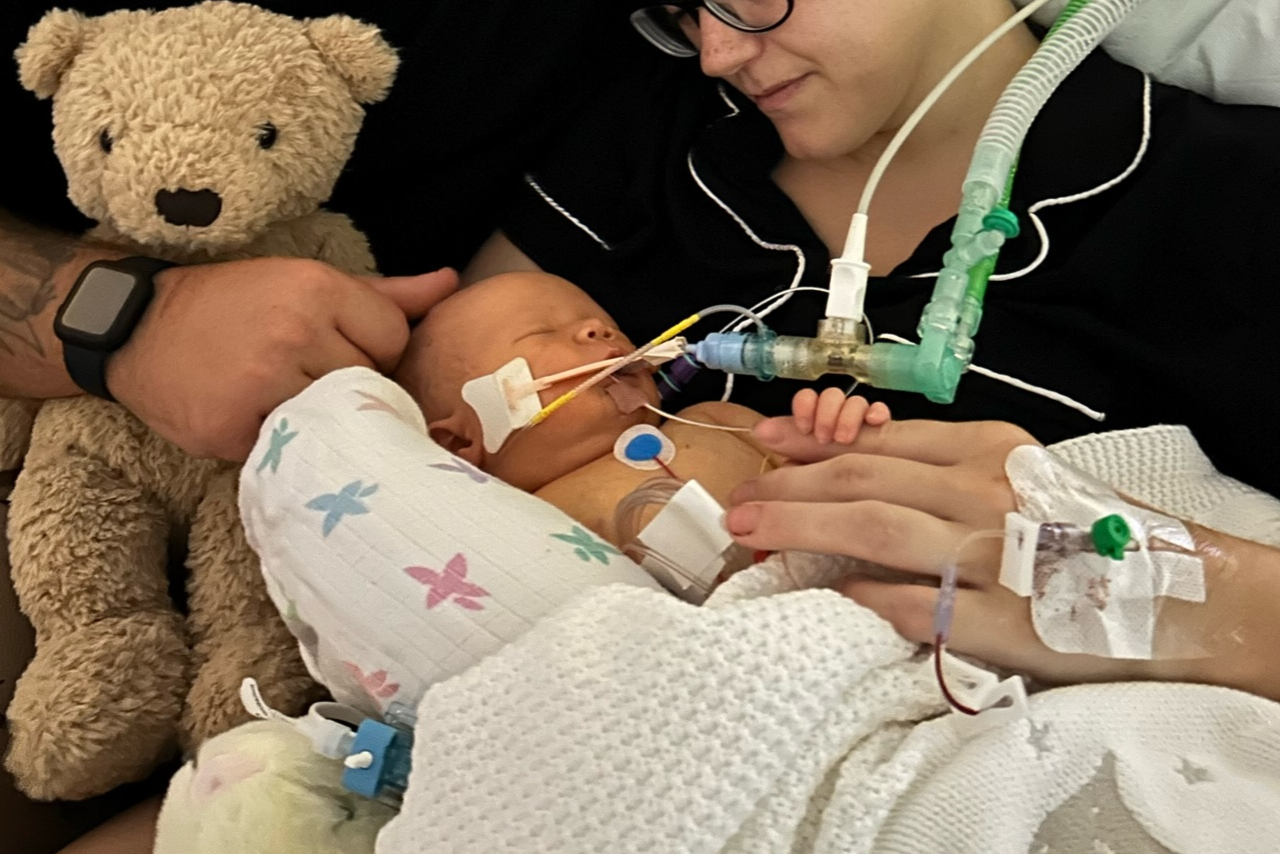
A coroner has issued urgent prevention of future deaths reports following the tragic death of baby Mabel Williams, highlighting critical failures in VBAC consent and risk disclosure within NHS maternity care.
Background: Mabel Williams Inquest Findings
Following the recent conclusion of the inquest into the death of Mabel Williams at Great Western Hospitals, which led to a finding of neglect due to gross failings in maternity care, the coroner has now issued two prevention of future death reports to the Royal College of Obstetricians and Gynaecologists (RCOG) and Great Western Hospitals NHS Foundation Trust.
A prevention of future deaths report is a document a coroner can issue after an inquest if there are concerns about the risk of future deaths, recommending specific actions to prevent similar tragedies.
Critical VBAC Consent Failures Revealed
During the course of the inquest, evidence revealed that appropriate steps had not been taken to ensure Mabel’s mother, Becky Williams, understood the nature of one of the most significant risks of VBAC delivery – namely that uterine rupture could prove fatal to both her and Mabel.
Evidence was heard from Becky at the inquest that had she been informed there was any increased risk of harm or death to Mabel, she would have considered her options and opted to have a caesarean section instead.
Prevention of Future Deaths Reports: Key Concerns
Having considered the evidence heard at the inquest and further information provided by the Trust, the coroner remained concerned that future deaths could occur unless action is taken. He has now issued PFD reports to both the RCOG and the Trust.
RCOG Consent Guidance Inadequate
The RCOG’s information leaflet (Birth Options After Previous Caesarean Section) does not contain any indication that uterine rupture could potentially prove fatal for mother and/or baby.
The coroner was concerned that prospective parents may rely on this RCOG consent information to assist them in making informed choices about their birth options. If the fatal risks are not identified, patients might pursue VBAC within an NHS setting when, had they understood the risks better, they would have chosen otherwise.
Great Western Hospitals Trust Failings
The Trust’s failures included:
- Inadequate patient guidance: The Trust’s ‘Birth After Caesarean’ information leaflet did not describe what uterine rupture is or its potentially fatal consequences.
- Failed VBAC consent process: Appropriate steps had not been taken to obtain Becky’s informed consent to VBAC.
- Reactive rather than proactive changes: Changes following Mabel’s death were implemented as a response to the inquest rather than as a result of learning from the tragic death.
Legal Perspective on VBAC NHS Consent Requirements
Amy Milner, Senior Associate at CL Medilaw, who is representing Rebecca and Tom Williams, commented:
“We welcome the coroner’s decision to write to the RCOG and Trust to raise concerns about the current guidance for patients on birth after caesarean, and in particular to draw their attention to the lack of advice that uterine rupture can prove fatal for mother and/or baby.
During the course of the inquest, it became clear that appropriate steps had not been taken to ensure Becky understood the significant implications a uterine rupture could have to both her and Mabel. The information leaflets that clinicians had reviewed with her did not explain that uterine rupture can prove fatal for mother and baby or describe what uterine rupture was and its consequences.
The consequences of uterine rupture are so significant that it is vitally important mothers who either opt for or are advised to have a VBAC are properly advised about the risks, and that labour is carefully managed to reduce the risk of uterine rupture. We hope that the Trust and RCOG make changes to the information and guidance they provide to both clinicians and families about VBACs and uterine ruptures to save further lives being lost unnecessarily.”
Mother’s Testimony: The Devastating Cost of VBAC Consent Failures
Rebecca, Mabel’s mother, shared her experience:
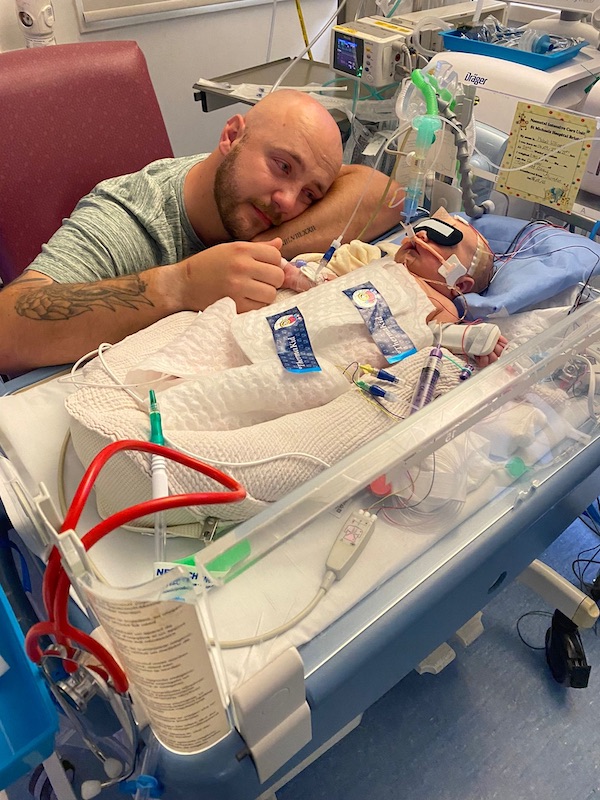
“Our beautiful daughter, Mabel Olivia Williams, was born on Monday 4th September 2023 and lived for just six days, but in those six days our world changed completely. As my pregnancy was healthy and there were no concerns over Mabel’s health before her birth, and we had no reason to think there was any risk that anything would go wrong or happen to Mabel during my labour, it is hard to come to terms with the fact we didn’t come home with her.
During the later stages of my labour, I felt increasingly unheard and overlooked. I wasn’t being listened to, and there were periods where I was left alone, despite being high risk, which felt deeply unsettling. In those moments, I felt invisible and like my concerns didn’t matter.
Tom and I have waited almost 2 years for Mabel’s inquest to take place, and whilst we are grateful to the coroner for acknowledging that this is a case where there has been a gross failure to provide basic medical attention and finding that this amounted to neglect, and further has issued PFDs to the Trust and Royal College of Obstetricians and Gynaecologists, which I hope will go some way to ensuring no other family has to go through what we have, it is incredibly painful to think the outcome could have been different, and Mabel should be here with us.”
The Importance of Proper VBAC NHS Risk Disclosure
This prevention of future deaths report highlights the critical importance of proper informed consent in VBAC NHS care. When healthcare providers fail to adequately explain the risks of VBAC delivery, including the potential for fatal uterine rupture, families cannot make truly informed decisions about their birth options.
The case demonstrates that both individual trusts and national guidance bodies like the RCOG have responsibilities to ensure mothers receive complete, accurate information about VBAC risks before making decisions about their care.
Seeking Legal Support for Maternity Negligence
CL Medilaw represents families across the UK whose children have died or suffered catastrophic harm, such as HIE and cerebral palsy, due to maternity care failures, including those involving VBAC risk factors and complications during delivery.
If you believe you or your family have been affected by similar failures in VBAC consent or maternity care, specialist legal advice can help you understand your options and ensure accountability for any negligent care received.
For further advice about your case, contact us today to arrange a free consultation.
Related Posts

For over 30 years, CL Medilaw has been helping people who have been injured by a medical mistake or a serious accident. Many of [...]

MPs used the Baby Loss Awareness Week debate on 12th October 2026 to press for accountability, consistent bereavement support, and measurable improvements in maternity [...]

Shoulder dystocia during delivery is one of the most serious complications that affects mothers in labour. However, unlike many other birth injuries, it is [...]
Saturday 26th of September marked an important step forward in the independent review of maternity and neonatal care at Leeds Teaching Hospitals NHS Trust, [...]

County Durham and Darlington NHS Foundation Trust revealed last week that they were carrying out an internal review of their breast cancer services following [...]
The Thirlwall Inquiry has published its final report into events at the Countess of Chester Hospital, finding a “complete failure to protect babies” on [...]

Concerns about maternity and neonatal care at Leeds Teaching Hospitals NHS Trust have been building for several years, leading to the launch of an [...]

When a baby is deprived of oxygen during pregnancy, labour, or birth, families are often left searching for answers long after leaving the hospital. [...]