

Speak to an Expert
Types of traumatic amputation
Traumatic injury is a leading cause of amputation in people aged 50 and younger. Road users such as pedestrians, cyclist and motorcyclists are particularly vulnerable, as are those working with equipment and machinery.
We’ve helped our clients and their families to overcome the challenges of all manner of limb loss and other amputations including transfemoral, transtibial. upper limb amputations, transradial and transhumeral amputations.
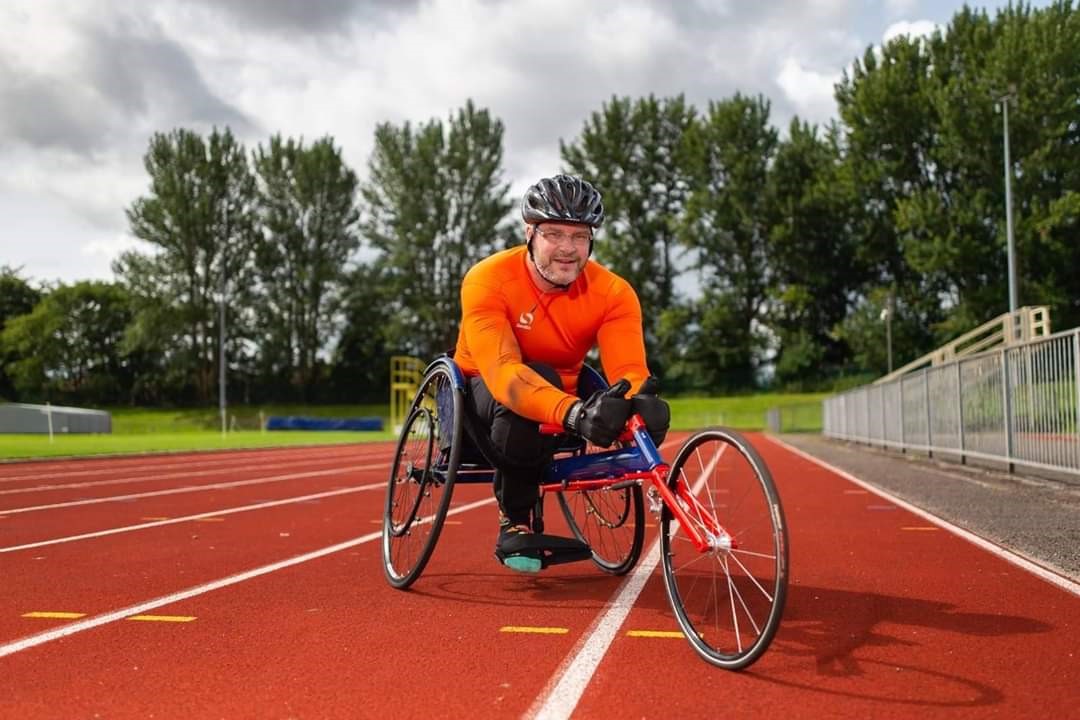

Meet our Team
Our experienced team will be on hand to support you throughout the claim process.











Getting the right help
If you or your family are affected by a trauma of this nature, you will need help and support at the right level. We will provide guidance and support every step, answer your questions and help when difficult decisions need to be made. Our amputation lawyers will also help you get back on to the right path, so that you can continue to live your life to the full. We specialise in ensuring our clients are awarded the maximum compensation they need to look after them for the rest of their lives. We have a record of taking on the most difficult of cases, when other lawyers have failed, and bringing them to a successful conclusion.
Life Changing Stories
We make the legal side of things as easy and worry-free for you as possible. We concentrate on getting answers and the best compensation to provide for your needs, whether that is rehabilitation, care, suitable accommodation, specialist aids and equipment, or all of those things and more.
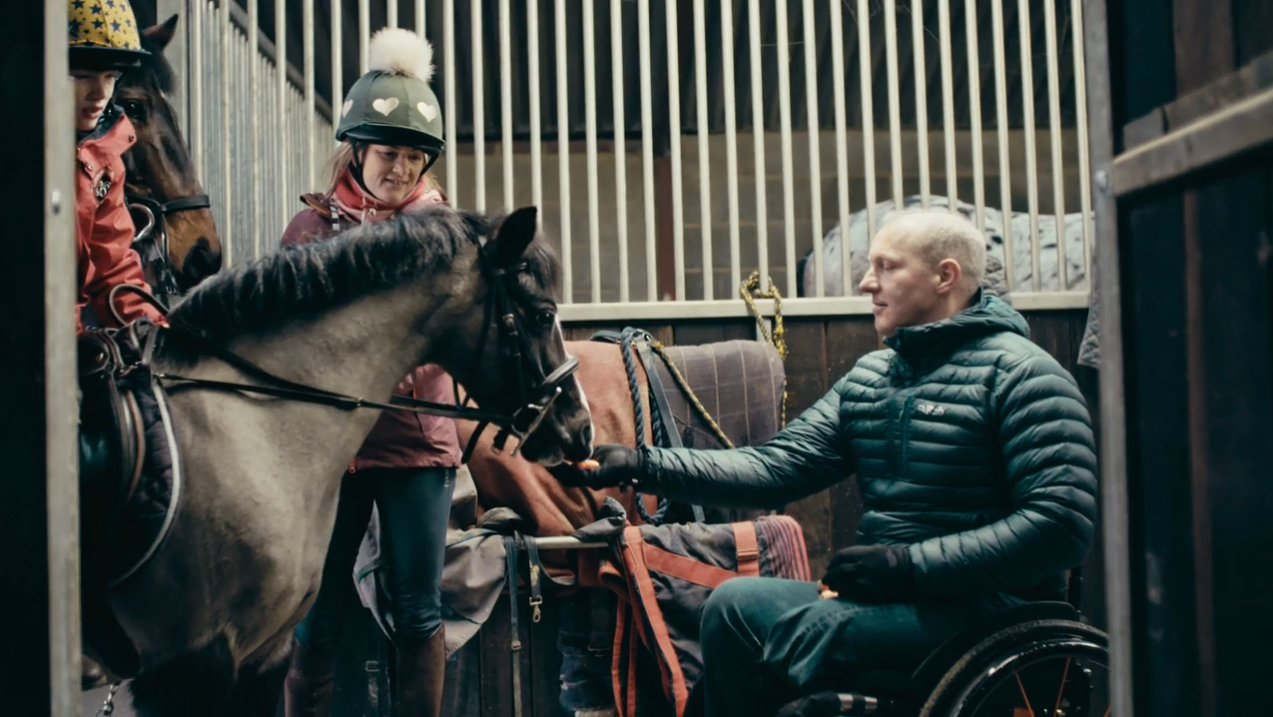
Noel suffered life changing injuries in a road traffic accident on his motorbike during a commute to work. His injuries were catastrophic and included [...]
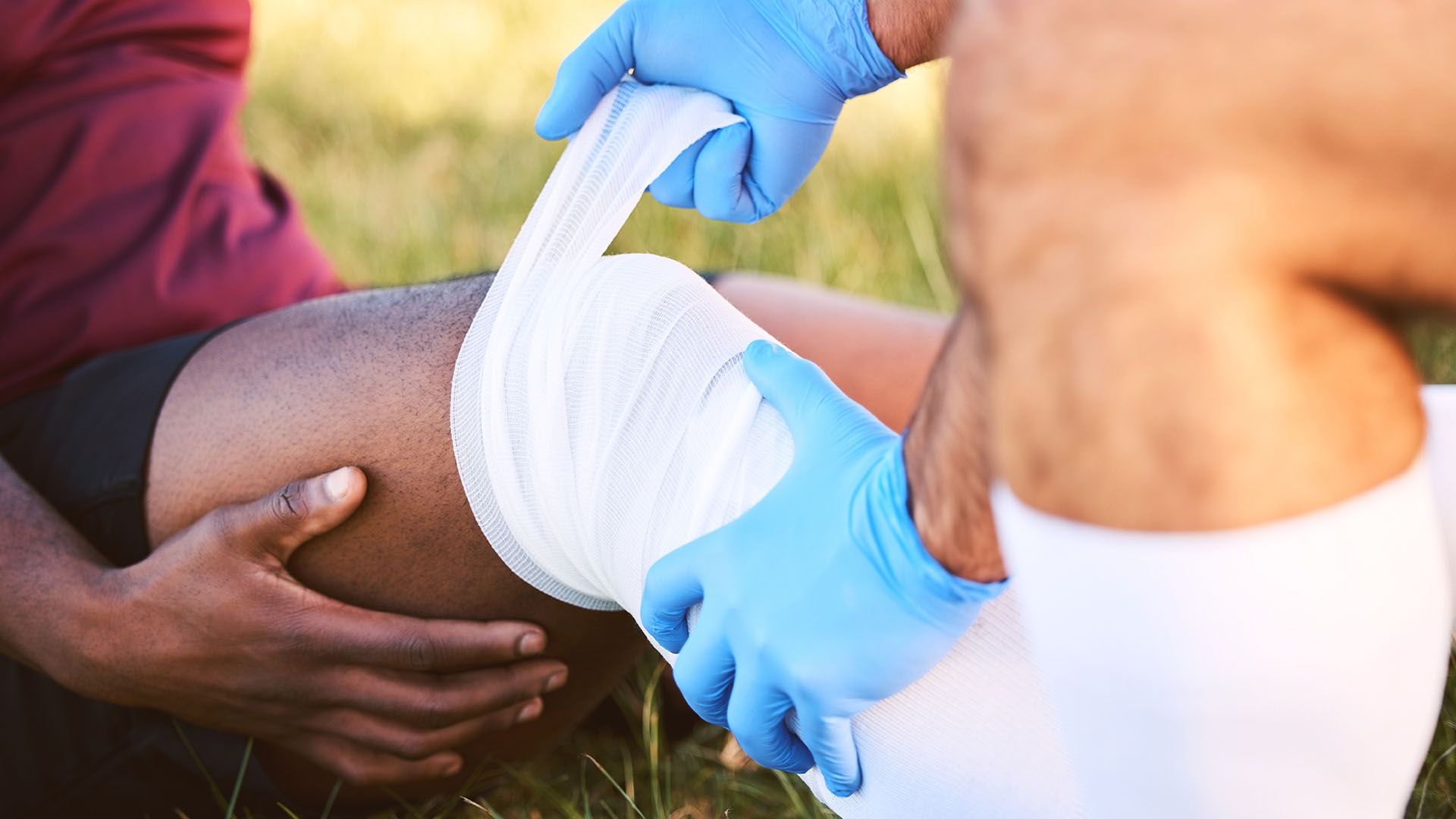
Our client was hit by a car at a petrol station. The driver was talking to someone at the garage and then suddenly shot [...]

Our client was hit by a car whilst crossing a road. He was taken by ambulance to the major trauma centre for the south [...]

Master X was 8 at the time of the accident. He was playing at a playground with friends when a large telegraph-like pole broke [...]
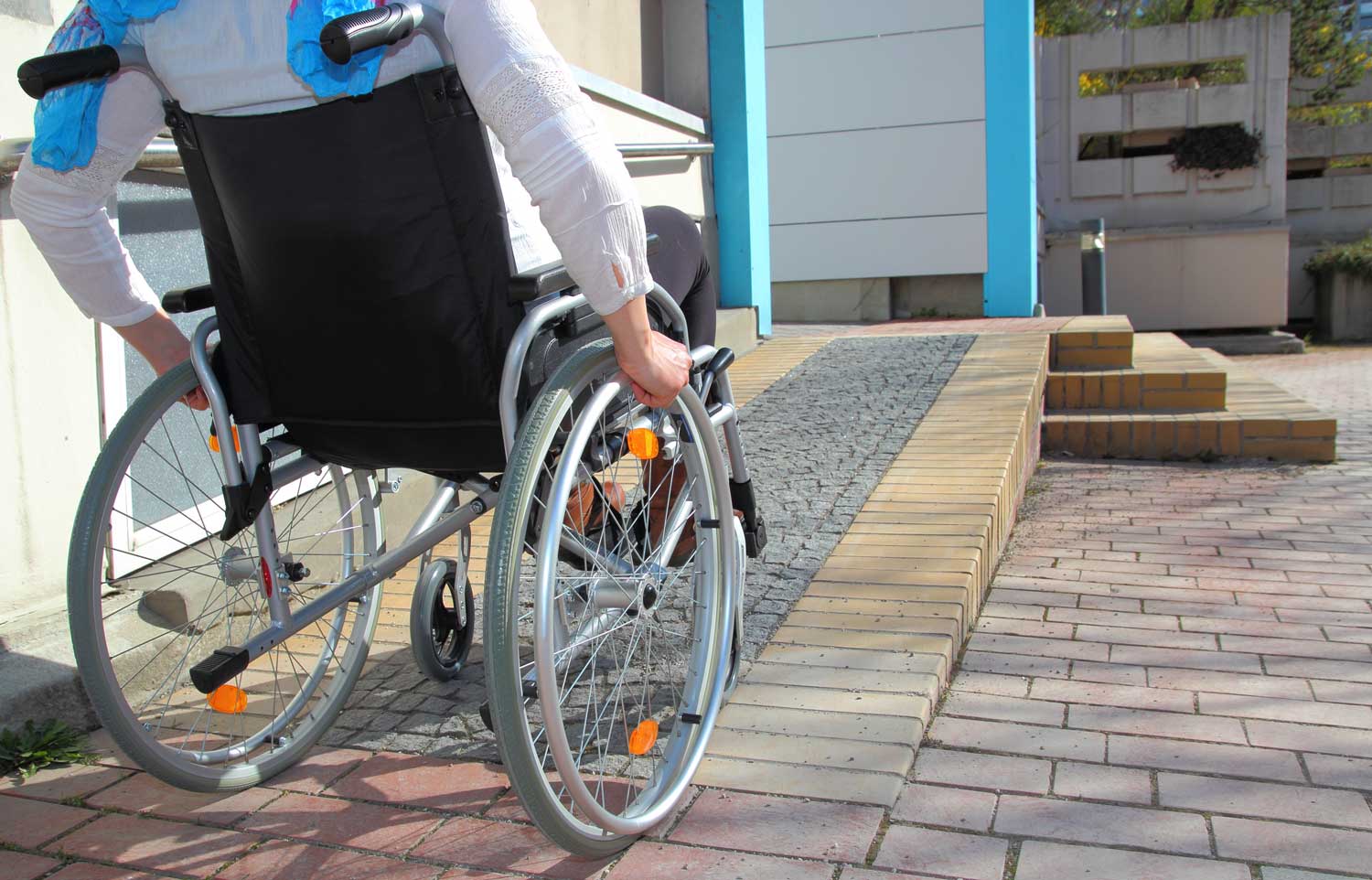
Our client was riding his bicycle when a car collided with him. He was taken by ambulance to the major trauma centre for the [...]
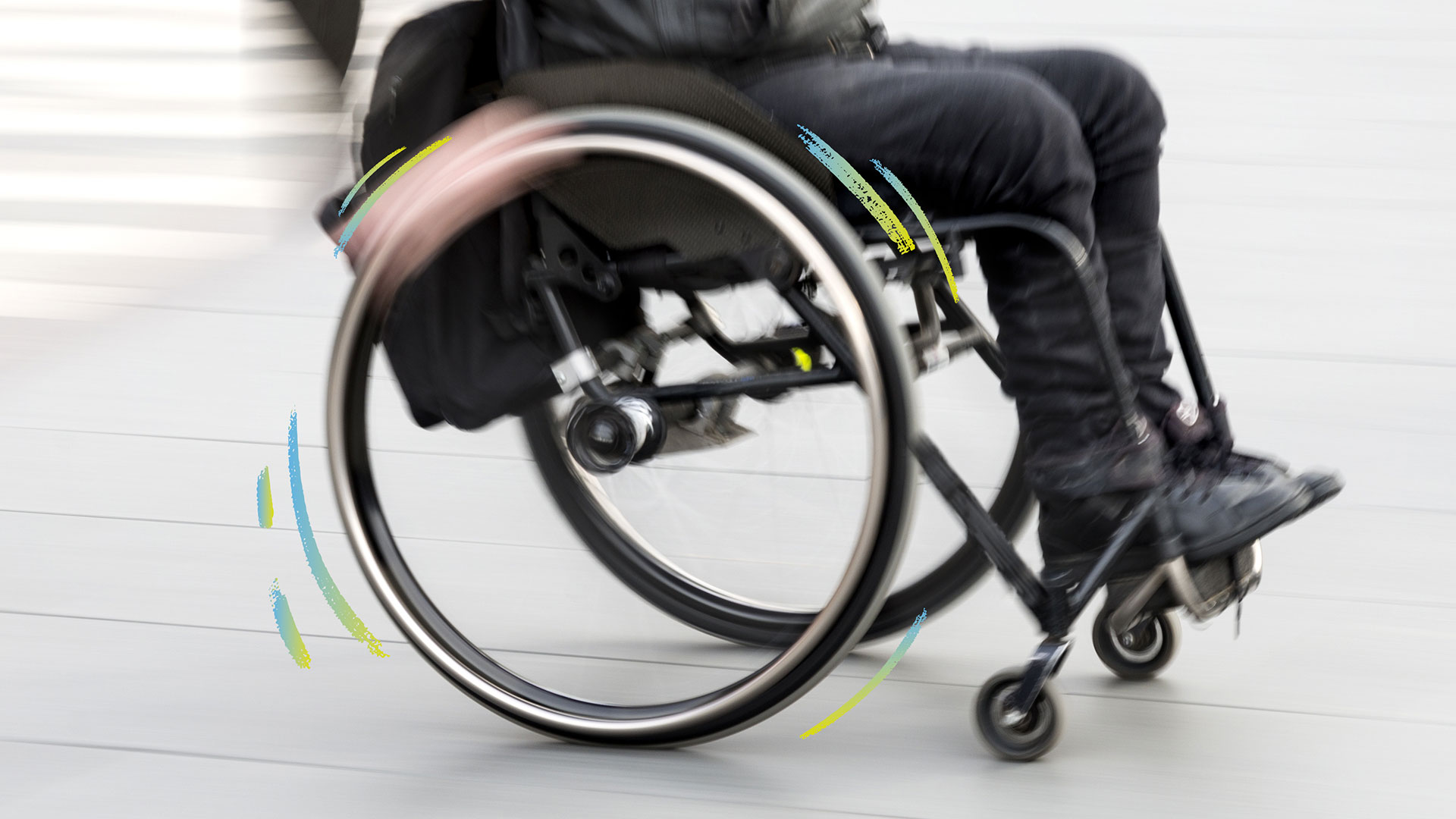
Our client was a lorry driver and scuba instructor. In 2008, an incident caused him to fall 4-5 feet from the cab of his [...]
How we can help
Our help typically includes swift liability resolution, access to specialist rehabilitation and prosthetic solutions, early interim payments, care, equipment, employment, adaptations and where required, new homes. Our help often extends beyond the lifetime of the case. With the help of our team and our amputation experts our amputee clients have been helped to regain their confidence and mobility and take advantage of rapid advancements in prosthetic technology.