
Maternity investigations
Independent reviews have exposed serious failings in maternity care across England that have cost mothers and babies their lives. A national investigation has found many of the same problems repeating in hospitals throughout the country. We explain which trusts were investigated, what the reviews found, and what that means for families.
Experts in Birth Injury Claims
Speak to an Expert
Ongoing and completed maternity investigations
Maternity investigation reviews fall into three groups: completed independent reviews, ongoing independent reviews, and the wider national investigation led by Baroness Amos. Some trusts appear in more than one.
Ongoing reviews
Leeds
Donna Ockenden was confirmed in March 2026 as chair of the independent review into Leeds Teaching Hospitals NHS Trust. It follows a BBC investigation which reported that the deaths of at least 56 babies and two mothers over five years may have been preventable.
The terms of reference, published on 28th September 2026, cover care from 1st January 2011 to 31st March 2028 where a mother or baby died or suffered severe harm. Families treated from 2015 onwards are included automatically unless they choose to opt out. Families treated between 2011 and 2014 must opt in. The final report is due by 31st March 2029.
Sussex
Donna Ockenden was appointed in April 2026 to chair the review of University Hospitals Sussex NHS Foundation Trust. It follows a campaign by bereaved families, including families we represent, for an independent inquiry into maternity care at the trust.
The review covers maternity and neonatal care from 2018 to the present at the trust’s four hospitals: the Royal Sussex County Hospital in Brighton, the Princess Royal Hospital in Haywards Heath, St Richard’s Hospital in Chichester, and Worthing Hospital. More than 1,000 cases are included automatically. Findings are expected by the end of 2026.
Completed reviews
Shrewsbury and Telford
Donna Ockenden’s final report, published in March 2022, examined the care of 1,486 families, mostly between 2000 and 2019. It found that 201 babies and nine mothers might have survived had they received better care. The trust is also the subject of an ongoing West Mercia Police investigation.
Nottingham
Donna Ockenden’s final report was published on 24th June 2026. It examined more than 2,500 family cases from 2012 to 2025, making it the largest review of its kind in NHS history. It found potentially avoidable outcomes in 444 maternity cases and 76 neonatal cases. The trust had known about many of the problems since at least 2010.
Morecambe Bay
Dr Bill Kirkup’s investigation, published in 2015, examined maternity and neonatal care at Furness General Hospital. It found that failures in care led to the avoidable deaths of 11 babies and one mother.
East Kent
Dr Kirkup’s second investigation was published in October 2022. It examined care from 2009 and found that 45 of the 65 baby deaths it reviewed might have been avoided with care of the right standard. The investigation followed the death of Harry Richford in 2017. In the first criminal prosecution of its kind, the trust pleaded guilty to providing unsafe care that led to Harry’s death.
National investigation led by Baroness Amos
The national maternity and neonatal investigation, led by Baroness Valerie Amos, was announced in June 2025. In September 2025, 14 trusts were named for local investigation.
Two were later removed. Leeds came out when a separate independent inquiry was commissioned, while Shrewsbury and Telford were removed following discussions with West Mercia Police about its ongoing investigation. Neither was replaced, so 12 trusts remain.
The investigation was not a statutory public inquiry. Some bereaved families, including those in the Maternity Safety Alliance, have argued that only a judge-led inquiry with legal powers would go far enough.
The final report was published on 30th June 2026. It found that many women were repeatedly not listened to, that racism and discrimination ran throughout the system, and that fragmented services delivered inconsistent care. It made eight recommendations, one of them is a right for families to an independent review when they are unhappy with how a trust has investigated their care. A national action plan is due in December 2026.
“It found women were repeatedly not listened to, racism and discrimination ran through the system, and fragmented services delivered inconsistent care.”
Trusts being investigated
- Barking, Havering and Redbridge University Hospitals NHS Trust
- Blackpool Teaching Hospitals NHS Foundation Trust
- Bradford Teaching Hospitals NHS Foundation Trust
- East Kent Hospitals University NHS Foundation Trust
- Gloucestershire Hospitals NHS Foundation Trust
- Oxford University Hospitals NHS Foundation Trust
- Queen Elizabeth Hospital King’s Lynn NHS Foundation Trust
- Sandwell and West Birmingham Hospitals NHS Trust
- Somerset NHS Foundation Trust
- University Hospitals of Leicester NHS Trust
- University Hospitals of Morecambe Bay NHS Foundation Trust
- University Hospitals Sussex NHS Foundation Trust
Were you treated at one of these trusts?
If you’re concerned your care didn’t meet the necessary standard, you don’t need to wait for a review to find out where you stand.
A review can establish what went wrong at a trust, but it won’t assess whether you have a claim. We can examine your medical records, tell you whether your care fell below an acceptable standard, and explain whether that played a part in the harm your family has suffered.
Is your care already being investigated?
If you already know your treatment is part of a review, this is a good time to consider legal advice. The review team’s findings may support a claim, but it won’t make one on your behalf.
The time limit for making a claim keeps running. Independent advice tells you where you stand now, separately from the NHS process.
Was your care so concerning that you think it should be investigated?
Most NHS trusts have never had an independent maternity review. That doesn’t mean their care has always been safe. The national investigation has found similar failings in trusts across the country.
If something went wrong during your pregnancy, your labour, or your baby’s first days, you may deserve support, regardless of where you were treated.
Families we have helped
We’ve supported countless families who have been affected by birth injury. Here are some of the journeys we’ve been part of:
For Jack's* family, the road to justice took nearly two decades. It began with a mistake in a set of maternity notes, passed through [...]
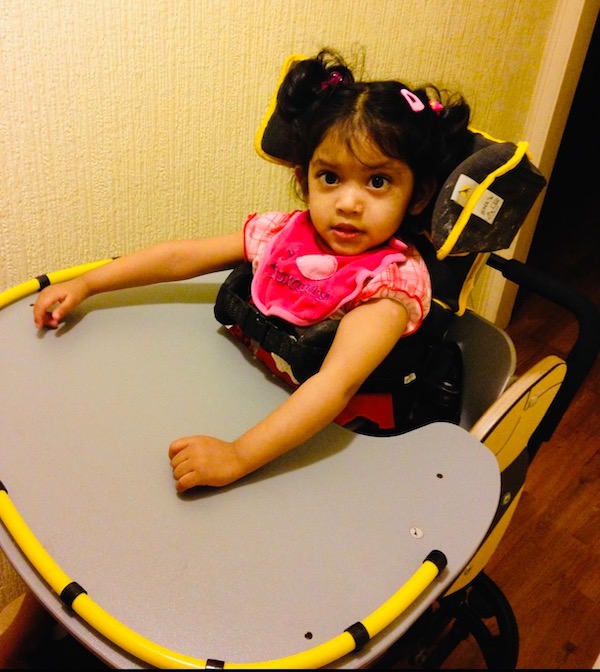
Mary's* Story: A Life Changed After PVL Brain Injury at Birth*Names have been changed to protect the family's privacy.What HappenedMary's mother, Rosie, was just [...]
We are pleased to announce the successful resolution of a highly unusual and complex claim for damages as a result of alleged substandard care [...]
Abigail's Story: Seven-Figure Settlement for Avoidable Brachial Plexus Injury Caused by Shoulder Dystocia During Birth Abigail's* mother contacted CL Medilaw after she had concerns [...]
Oliver's Story: Cerebral Palsy – Birth Injury Compensation CL Medilaw secured a multi-million-pound birth injury compensation settlement for Oliver, a child who was diagnosed [...]
GP Settles Claim for Missed Diagnosis of Meningitis in InfantMolly’s (name changed to protect privacy) mother sought legal advice after multiple GP visits failed [...]
Time limits for birth injuries
In most cases you have three years to start a claim. The clock usually starts from the date of the injury, or from when you first realised it may have been caused by poor care.
For a child, the three years don’t begin until their 18th birthday. If the injured person lacks the mental capacity to manage their own affairs, the time limit doesn’t run at all while that continues. For a claim following a death, the limit is usually three years from the date of their passing.
Crucially, waiting for a review doesn’t pause these limits. This matters most for a mother’s own injuries and for claims after a baby has died where the three years may already be running.
How CL Medilaw can help
Our dedicated birth injury team acts for people whose lives have been changed by poor maternity care, including families in Leeds. We are proud to be one of three firms appointed to the inaugural legal panel of Bliss, the charity for babies born premature or sick. Similarly, we also sit on the Peeps HIE legal panel and work with the Child Brain Injury Trust.
We take birth injury claims on a no win, no fee basis, so there’s no financial obligation when you talk to us.