
Life after women’s injury
Support when injuries are ongoing
Some injuries can be felt long after the initial experience. Whether it’s ongoing pain, the lasting impact of a traumatic birth experience, or a change to your body caused by a delay in diagnosis or treatment, life afterwards can look very different to how it did before. We’re here to make sure you’ve got everything you need to enjoy life on your own terms, with no compromises.
Speak to an Expert
The types of support you can access
Whatever you’re living with, these are the kinds of support we can help put in place.
Specialist therapists and rehabilitation
Recovering from an injury caused by sub-standard care often requires more than one kind of treatment. We can help connect you with physiotherapists, pain specialists, and psychologists, so your recovery is supported from every angle, from the physical to the emotional.
Case management
A dedicated case manager can coordinate your day-to-day and future care needs, working alongside you and your family. They help make sure nothing important is missed, from important medical appointments to equipment and any ongoing therapy.
Nursing and home care
Some injuries mean you need more hands-on support at home, whether that’s short-term assistance while you recover or a longer-term care package. We can help arrange the right level of nursing or care support for your situation.
Equipment and home adaptations
Adjusting to life after a serious injury sometimes means adjusting your home too. We can help secure funding for everything you need, from mobility aids and other equipment, to practical adaptations around the home that make daily life more manageable.
Psychological support and counselling
The emotional toll of a traumatic birth experience, or any injury caused by care that fell short, can be as affecting as the physical impact, and deserves the same level of support. We can help connect you with counselling after a traumatic birth, or other specialist therapy suited to what you’ve been through.
Returning to work and daily life
Getting back to work, or simply returning to your familiar routines, can take a long time, which deserves support. We can help make sure that regaining a sense of normality is part of your recovery, and is not treated as something you have to manage on your own.
When You Need Us
Reasons you might talk to us
Many of the women we support are living with the long-term effects of care that fell short of established clinical standards. Not just in the days afterwards, but often for months or even years later. If you experience ongoing pain, bladder, bowel or pelvic problems, menopause or hormonal changes, a change to your fertility or difficulty coping emotionally, it’s worth sharing your experience with us in a free consultation. We’ll listen carefully to help determine whether what happened might amount to negligence.
ST’s* Story
Coping with the Long-Term Effects of a Missed Bowel Perforation
During the birth of her twins, a series of errors, including a poorly positioned episiotomy and the misuse of forceps, left PH with a 4th degree tear. Two other firms had already told her she had no claim before she came to us. We requested the hospital’s own internal investigation report, found inconsistencies that had been missed, and secured a settlement that finally gave her a sense of closure.

Meet our Team
Our experienced team will be on hand to support you throughout the claim process.

















What happens when you speak to us?
- Tell us what happened: Share your situation and the advice you’ve already received.
- Independent review: We look at your records and instruct our own medical experts to thoroughly examine your experience.
- Discuss options: If we think there’s a claim to pursue, we’ll talk you through funding and what comes next in simple terms.
- Choose next steps: There’s no pressure, and no obligation to proceed.

How is medical negligence established?
To understand whether you have experienced medical negligence, we aim to answer two questions:
- Did the care you received fall short of what would have been expected from a medical professional?
- If so, did those failings cause you avoidable harm?
We work with independent experts to review your records and give us a clear, honest opinion. If we think your treatment fell short of accepted standards, that will form the basis of a claim.
Life Changing Stories
For Jack's* family, the road to justice took nearly two decades. It began with a mistake in a set of maternity notes, passed through [...]
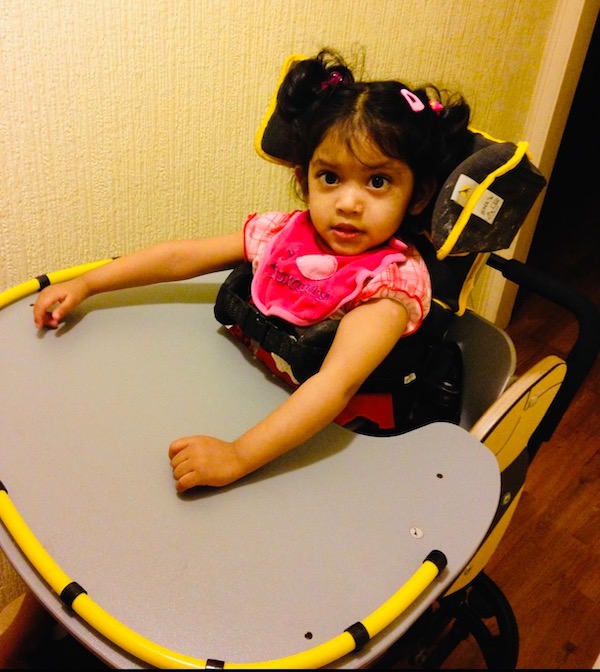
Mary's* Story: A Life Changed After PVL Brain Injury at Birth*Names have been changed to protect the family's privacy.What HappenedMary's mother, Rosie, was just [...]
We are pleased to announce the successful resolution of a highly unusual and complex claim for damages as a result of alleged substandard care [...]
Abigail's Story: Seven-Figure Settlement for Avoidable Brachial Plexus Injury Caused by Shoulder Dystocia During Birth Abigail's* mother contacted CL Medilaw after she had concerns [...]
Oliver's Story: Cerebral Palsy – Birth Injury Compensation CL Medilaw secured a multi-million-pound birth injury compensation settlement for Oliver, a child who was diagnosed [...]

GP Settles Claim for Missed Diagnosis of Meningitis in InfantMolly’s (name changed to protect privacy) mother sought legal advice after multiple GP visits failed [...]
About Us
Women’s health claims can be complex areas of law. When you work with us, you can have confidence that you’ll receive the best support at such a difficult time. We are:
Client-First
At CL Medilaw, we don’t just see you as a case number; you’re a person who deserves understanding and support in pursuit of justice.
Tailored-Support
From the first consultation through to the result of your claim, we will listen, understand, and build the right plan together.
Fee-Assured
If you’re worried about the cost of bringing a claim, we offer No Win, No Fee with insurance protection to help secure your funding.
Results-Focused
Ultimately, everything we do is geared towards our main goal — achieving the right result for you and your family.