
Personal injury trusts
Ensure everything you’ve received stays with you
After everything you’ve been through to reach a settlement, the last thing you’ll want is for it to put other support at risk. A personal injury trust keeps your compensation separate from your other savings, so it doesn’t affect your entitlement to means-tested benefits. It’s one of the simplest, most practical ways to protect what you’ve secured.
We’re here to help you set one up properly, right from the start.
Speak to an Expert
Safeguarding your future needs
What is a personal injury trust?
A personal injury trust is a legal arrangement that keeps your compensation separate from your other money, and is managed by trustees on your behalf. Because the funds sit outside your personal assets, they’re not counted when eligibility for benefits like Universal Credit or local authority care funding is assessed.
It’s a straightforward idea doing an important job; making sure the money that’s intended to support you doesn’t accidentally compromise access to anything you’re already relying on. We’re here to provide all the support you might need to make decisions that protect your future.


Help with the biggest decisions
What does a professional deputy do?
For some families, a personal injury trust and a deputyship work alongside each other. For others, particularly where a child or a loved one lacks the capacity to manage their own affairs, a trust can be used instead of a deputyship to hold their compensation, with the Court of Protection’s approval.
Which of these options is most suitable depends entirely on your circumstances. We’ll always talk you through all of this, so you can make the right call for your family.
Protecting Your Future
CL Medilaw’s professional trustee service
Where a professional trustee is the right choice, our own CLM Trust Corporation can act as trustee alongside you or a family member. That means getting the support of someone who understands exactly what long-term, complex compensation actually needs to achieve.
This isn’t only about knowing how best to administer a fund, but also how to make sure it lasts for long enough to genuinely support the lives it’s there to help.
Meet our Team
Our experienced team will be on hand to support you throughout the claim process.






Support for today, and for tomorrow
What can a personal injury trust be used for?
There’s no fixed list, but trust funds are typically used for things that fall outside everyday living costs, including:
- Medical care and treatment
- Property purchases and home adaptations
- Specialist equipment
- Other significant, one-off costs
Day-to-day expenses are usually expected to come from your benefits, with the trust covering the bigger, out-of-the-ordinary costs your compensation was actually meant for.

Setting up a personal injury trust
- An initial conversation: We talk through whether a trust is the right fit for your situation, honestly, before recommending anything.
- Choosing your trustees: A trust needs at least two trustees; family members, a professional trustee, or a combination of the two.
- Setting up the trust deed: We prepare the legal documentation and help you open a dedicated trust bank account.
- Ongoing management: Trustees manage the fund together, making decisions in your best interests as your needs change over time.
Life Changing Stories

For Jack's* family, the road to justice took nearly two decades. It began with a mistake in a set of maternity notes, passed through [...]
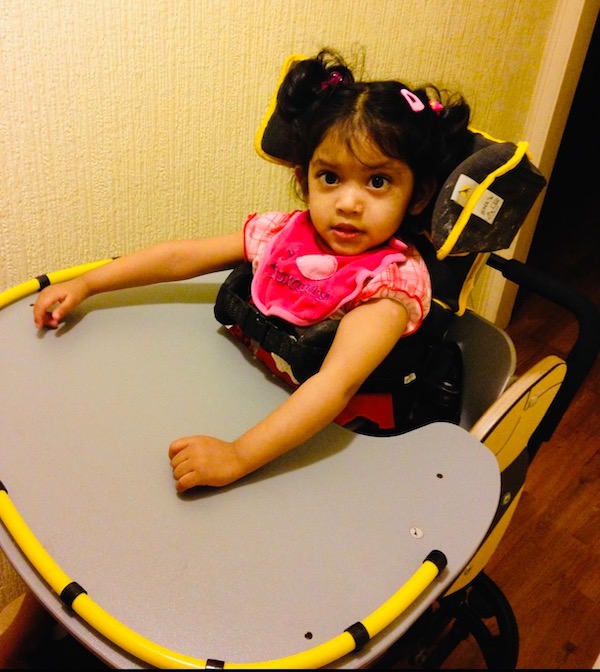
Mary's* Story: A Life Changed After PVL Brain Injury at Birth*Names have been changed to protect the family's privacy.What HappenedMary's mother, Rosie, was just [...]

We are pleased to announce the successful resolution of a highly unusual and complex claim for damages as a result of alleged substandard care [...]

Abigail's Story: Seven-Figure Settlement for Avoidable Brachial Plexus Injury Caused by Shoulder Dystocia During Birth Abigail's* mother contacted CL Medilaw after she had concerns [...]

Oliver's Story: Cerebral Palsy – Birth Injury Compensation CL Medilaw secured a multi-million-pound birth injury compensation settlement for Oliver, a child who was diagnosed [...]

GP Settles Claim for Missed Diagnosis of Meningitis in InfantMolly’s (name changed to protect privacy) mother sought legal advice after multiple GP visits failed [...]
About Us
Some trust providers only ever see your compensation as a number to manage. We’re different.
Client-First
At CL Medilaw, we don’t just see you as a case number; you’re a person who deserves understanding and support in pursuit of justice.
Tailored-Support
From the first consultation through to the result of your claim, we will listen, understand, and build the right plan together.
Fee-Assured
If you’re worried about the cost of bringing a claim, we offer No Win, No Fee with insurance protection to help secure your funding.
Results-Focused
Ultimately, everything we do is geared towards our main goal — achieving the right result for you and your family.