
Cauda Equina Syndrome
Cauda equina syndrome is a condition that occurs when nerves at the base of the spinal cord are compressed together. Resulting in pain in the lower back and/or legs, numbness or weakness in one or both legs, in the buttocks or between the legs (the ‘saddle region’). It can also cause problems with bladder or bowel control and sexual function.
Experts in Medical Negligence Claims



Speak to an Expert
Delay in diagnosis of cauda equina syndrome
Early diagnosis and treatment of cauda equina syndrome are vital to avoid irreversible permanent neurological damage. The condition occurs when the nerves in the spinal canal are damaged for a variety of reasons including disc herniation, spinal tumours or stenosis as well as traumatic injury and other conditions. If left untreated it can lead to loss of bowel and bladder control as well as a loss of sexual function, neuropathic pain and significant mobility issues for the future

A specialist team in spinal injury
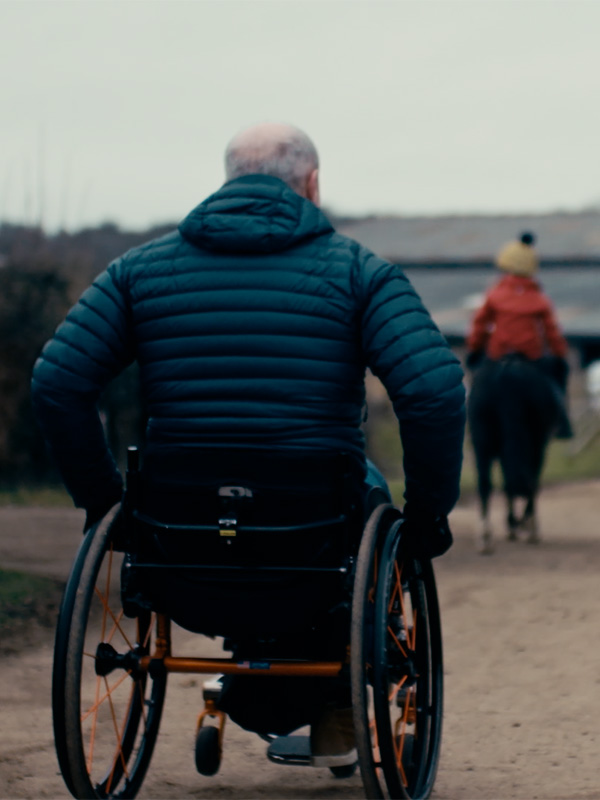
We have a specialist spinal team who has worked with many individuals suffering from the impact of spinal injuries including those resulting from cauda equina syndrome.








Symptoms and treatment
All medical professionals should be aware of and act upon “red flag” symptoms which include:
- Severe back pain and/or sciatica
- Pain, numbness or weakness in your buttocks, legs or feet
- Loss of sensation in your perineal, perianal or genital area.
- Bladder and bowel problems to include loss of or altered sensation, initiating flow or incontinence
These symptoms warrant an immediate referral to the hospital. The hospital should make a swift diagnosis and ensure lumbar decompression surgery takes place urgently to avoid permanent damage. Delay in surgery or inadequate surgery can result in otherwise avoidable life-debilitating injuries.
Life Changing Stories
We make the legal side of things as easy and worry-free for you as possible. We concentrate on getting answers and the best compensation to provide for your needs, whether that is rehabilitation, care, suitable accommodation, specialist aids and equipment, or all of those things and more.

Our client presented at hospital with a history of back pain and some foot numbness. He had undergone two previous spinal surgeries, with limited [...]

Facts Louise attended her GP practice over several months complaining of leg pain and had been diagnosed with sciatica. On 17 May she attended [...]
How can we help, with your cauda equina claim?
If you have been left with life-changing injuries as a result of a failure to treat cauda equina syndrome urgently or adequately then this may have a huge impact upon your ability to work, carry out domestic chores and activities as well as affecting your relationships with others. A claim for damages can give you future financial security and help you to rebuild your life. Any damages you receive will be tailored to your needs and the impact upon you to ensure you receive maximum compensation.