
Bringing a Child Injury Claim
Support for children following medical negligence or serious injury
Finding out your child has been affected by medical negligence or a serious injury is devastating, and working out what to do next can feel daunting. Whether you’re considering a child injury claim for the first time, or looking for more information, we’re here to guide you and your family through every step, with the care and attention you deserve.
Speak to an Expert
Making a claim on your child’s behalf
Your child can’t bring a legal claim themselves, so you’ll need to act on their behalf. This is usually as their parent or guardian, and is known as a litigation friend. It’s a big responsibility, especially when an injury is recent, but you won’t be carrying it alone. You’ll make the key decisions throughout your child’s injury claim, working closely with us, while the claim itself always remains legally your child’s, and not yours.
Time limits for your child’s claim
Most claims must start within three years of the incident, but for children this works differently. The three-year countdown doesn’t begin until their 18th birthday, giving you until they turn 21, so there’s rarely any need to rush key decisions. If your child’s injury means they may never gain full mental capacity, these time limits may not apply at all.
What happens when you speak to us?
Tell us what happened
Share your child’s situation, and what’s changed for your family since. No detail is too small.
We investigate
We review medical records and instruct independent experts to establish whether something went wrong.
We explain your options
If there’s a claim to bring, we’ll walk you through what happens next, in plain terms.
You decide, as their litigation friend
There’s no pressure, and no obligation to proceed.
Life Changing Stories
We’ve supported countless families through both medical negligence and children’s accident claims. Here are some of the journeys we’ve been part of:
For Jack's* family, the road to justice took nearly two decades. It began with a mistake in a set of maternity notes, passed through [...]
Mary's* Story: A Life Changed After PVL Brain Injury at Birth*Names have been changed to protect the family's privacy.What HappenedMary's mother, Rosie, was just [...]
We are pleased to announce the successful resolution of a highly unusual and complex claim for damages as a result of alleged substandard care [...]
Abigail's Story: Seven-Figure Settlement for Avoidable Brachial Plexus Injury Caused by Shoulder Dystocia During Birth Abigail's* mother contacted CL Medilaw after she had concerns [...]
Oliver's Story: Cerebral Palsy – Birth Injury Compensation CL Medilaw secured a multi-million-pound birth injury compensation settlement for Oliver, a child who was diagnosed [...]

GP Settles Claim for Missed Diagnosis of Meningitis in InfantMolly’s (name changed to protect privacy) mother sought legal advice after multiple GP visits failed [...]
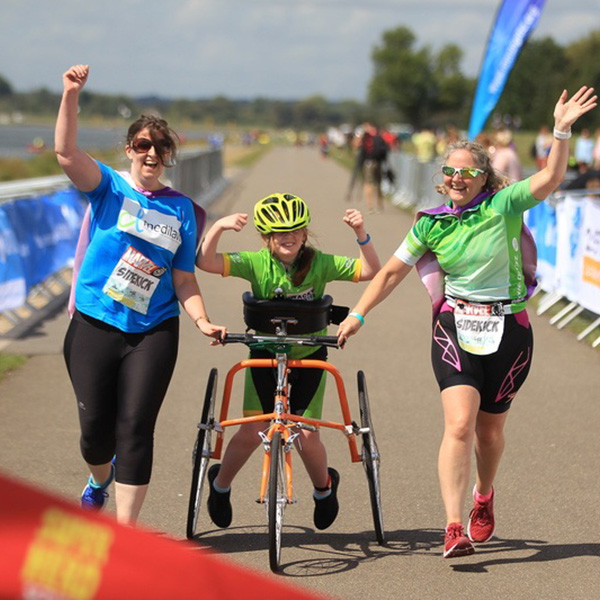
Getting court approval for your child’s settlement
Your child’s settlement will need to be approved by a judge. This is a short, protective hearing rather than another major hurdle to clear. The court’s role is simply to check that the settlement is fair for your child. The money is then held and looked after until they turn 18, often through a personal injury trust, so it’s ready for them when they need it.
Help funding your child’s claim
Money is the last thing you should have to worry about, especially when you’re focusing on the wellbeing of your child. This is why we work on a no win no fee basis, so whether your child’s claim involves an accident or medical negligence, there is no upfront cost, and nothing to pay if the process isn’t successful. For claims involving a brain injury or other significant harm, we go further: there is nothing to pay if the process isn’t successful. We ensure that your child’s compensation is used exactly as intended, to better their everyday life.
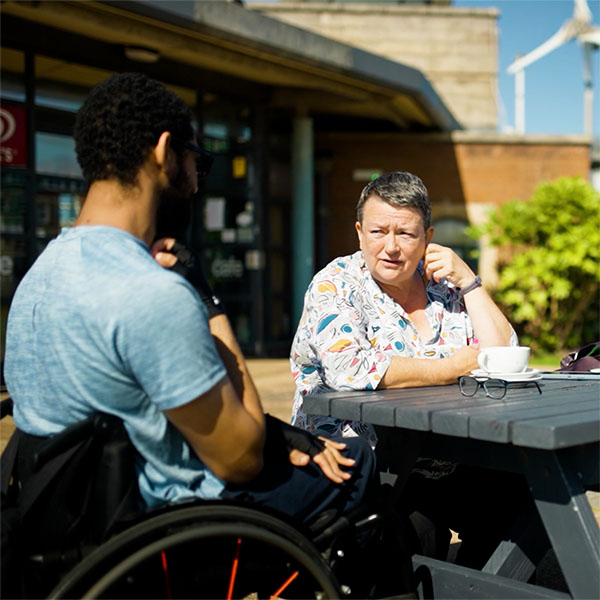
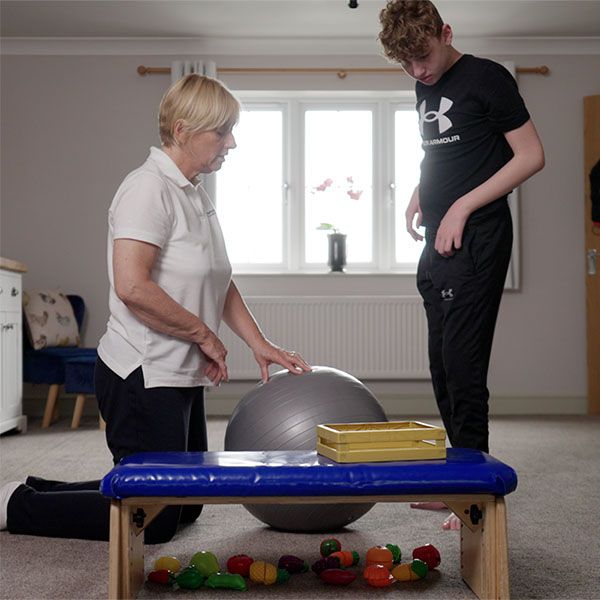
What can compensation be used for?
Whether your child’s claim relates to medical negligence or a serious accident, compensation can fund far more than immediate needs. This ranges from specialist equipment and therapy to home adaptations and education support, including EHCP guidance. It’s designed to give your child the best possible quality of life, not just covering what happened in the past, but also providing for what’s to come.
Why choose CL Medilaw for your child’s claim?
When it’s your own child, it’s understandable to want people who’ll treat them as more than a case file, and that’s exactly how we work. We’re accredited by the Law Society and AvMA, hold a place on the Brain Injury Group’s panel, and regularly support many families through cerebral palsy claims. Our birth injury team is one of the largest in the UK, so we’re genuine specialists in claims just like yours.

About Us
Birth injury claims can be complex areas of law. When you work with us, you can have confidence that you’ll receive the best support at such a difficult time. We are:
Client-First
At CL Medilaw, we don’t just see you as a case number; you’re a person who deserves understanding and support in pursuit of justice.
Tailored-Support
From the first consultation through to the result of your claim, we will listen, understand, and build the right plan together.
Fee-Assured
If you’re worried about the cost of bringing a claim, we offer No Win, No Fee with insurance protection to help secure your funding.
Results-Focused
Ultimately, everything we do is geared towards our main goal — achieving the right result for you and your family.