
Alex’s life changed in seconds when a van pulled out from a side road and collided with him as he rode his electric bicycle along the main road. The collision left him with a catastrophic head injury and extensive musculoskeletal trauma, which would go on to form the basis of a serious head injury claim on his behalf.
He was airlifted to hospital for emergency neurosurgery and remained in a coma for two weeks before beginning a long and complex rehabilitation journey.
The Lasting Impact of Alex's Head Injury
Alex’s brain injury has resulted in persistent cognitive impairments affecting his orientation, memory, attention, insight, fatigue management, and word-finding ability. These difficulties continue to shape his daily life and the level of support he needs; from the small, practical routines of a normal day to the bigger decisions about his long-term care.
A Difficult Road to Recovery
Although Alex initially made progress, his recovery was far from straightforward. Once he was discharged home, the lack of a structured environment caused his cognitive functioning to deteriorate, and his mental and physical health declined. A family bereavement added further emotional strain at an already difficult time.
It quickly became clear that Alex’s needs were too extensive for informal, family-led care. Instead, he required specialist residential brain injury rehabilitation, but securing the right placement — and the funding to pay for it — proved to be a real challenge, with statutory services only able to cover part of what he needed.
Coordinating Alex's Rehabilitation
Through his claim for damages, we appointed a jointly instructed Case Manager to coordinate Alex’s rehabilitation from the outset, working closely with physiotherapists, occupational therapists and a neuropsychiatrist. Alex was assessed by the community neuro rehabilitation team, and we secured funding for a private support worker to assist him at home.
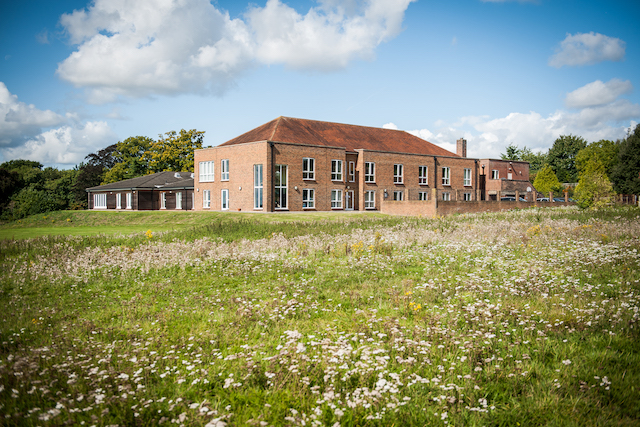
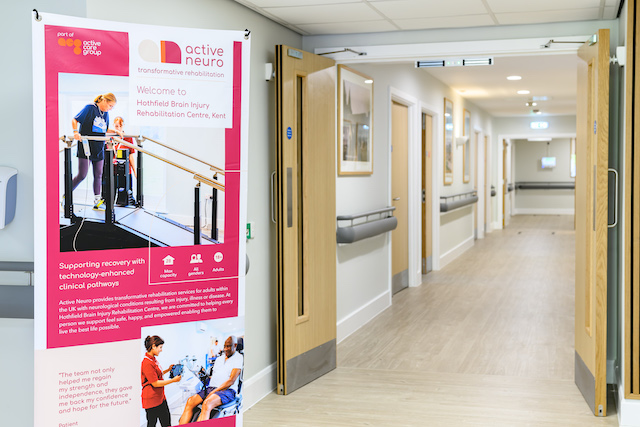
As his needs increased, Alex was admitted to a Neurological Care Centre, followed by a placement at a Neurological Rehabilitation Centre funded by the local NHS trust. But when that NHS funding came to an end, statutory support covered only the social-care element of his placement — leaving a significant gap in the specialist rehabilitation he still needed.
To make sure Alex’s rehabilitation could continue without interruption, we secured interim funding from the defendant’s insurers. These payments supported:
- Ongoing Case Management.
- Additional therapies.
- A top-up of statutory funding, so Alex could remain in inpatient rehabilitation until a safe and suitable discharge plan was in place.
These interim payments were crucial in bridging the gaps left by statutory services, and in making sure Alex received the level of support his injuries genuinely required.
Changing Lives
We worked closely with Alex and his family throughout the claim, making sure his rehabilitation needs were prioritised at every stage. Our involvement meant Alex had access to the right specialists, consistent support and safe accommodation, even when statutory services couldn’t meet the full extent of what he needed.
We guided his family through complex funding arrangements, coordinated his care, and helped plan for Alex’s long-term future; including securing an adapted home that meets his ongoing needs.
“Brilliant from start to finish.” — Alex’s friend, on our support throughout the claim.
The High Value Settlement
The claim was ultimately settled and approved by the court for a multi-million-pound figure.
Alex is unable to return to any form of employment and now requires 24-hour care. His pre-injury earnings were in the six-figure range, with additional losses relating to pension contributions. The settlement reflects the full, lifelong extent of what he has lost and what he now needs.
The settlement from Alex’s head injury claim included provision for:
- Past losses, including care, support and therapy already provided.
- Future loss of earnings and pension provision.
- Ongoing costs of care, case management, and therapy.
- Future treatment and rehabilitation, including occupational therapy, audio-vestibular input, neuropsychology, neuropsychiatry, orthopaedic treatment, dietetic support and physiotherapy.
- Essential physiotherapy equipment and assistive technology.
FAQs About Head Injury Claims
Q: Can I claim compensation for a head injury against a car or van driver? A cyclist injured by a car or van can usually claim compensation, since drivers owe a duty of care to cyclists on the road. If a driver caused or contributed to a collision, the cyclist can bring a claim against the driver’s insurer, whether they were riding a traditional bicycle or an e-bike. Insurers will sometimes argue the cyclist was partly to blame (known as contributory negligence), which can reduce compensation rather than rule it out altogether, so it’s worth getting specialist legal advice early to make sure the full circumstances are properly investigated.
Q: Will I still be able to claim if I wasn’t wearing a helmet? A cyclist who wasn’t wearing a helmet can still make a successful compensation claim, since wearing one isn’t a legal requirement in the UK. Insurers may still try to argue it as a factor in reducing compensation, particularly in head injury claims, but this depends heavily on the specific facts of the case and would only represent a percentage reduction to the claim, not a successful bar.
Q: How long do I have to make a head injury claim? A head injury claim generally must be started within three years of the accident, or of the date the injured person became aware the injury may have been caused by someone else’s negligence. This time limit can be extended where the injured person lacks the mental capacity to bring a claim themselves, as can happen with a serious head injury.
Q: Will I have to pay anything upfront to bring a claim? Bringing a head injury claim with CL Medilaw involves no upfront cost, since we act on a No Win, No Fee basis. Essentially, there’s no financial risk in finding out whether you have a claim.
Here to Support You
Alex’s case shows what’s possible when the right legal and rehabilitation support is in place from the earliest stages after a catastrophic injury. At CL Medilaw, we specialise in head injury claims and road traffic accident claims, including cases involving cyclists and e-bike riders. We know that a serious head injury often doesn’t just affect the person hurt. It frequently changes the lives of their whole family, often at the exact moment they’re least equipped to navigate complex legal and funding systems.
That’s why our approach goes beyond simply pursuing compensation. We work to secure early interim funding so rehabilitation isn’t delayed while a claim is ongoing, coordinate case management and specialist care from the outset, and support families through every stage of what can be a long and difficult process. This way, they can focus on their loved one, not the paperwork. We act on a No Win, No Fee basis, so there’s no financial risk in finding out where you stand.
If you or someone you love has suffered a head injury in a road traffic accident, get in touch today for a free, no-obligation conversation about your case.
You can also read other client stories to see how we’ve helped families in similar circumstances.
Contact us today to find out more about how we can help.
*Alex is not the claimant’s real name.
