
Professional deputyship
Helping you make the decisions that matter
If someone you love has been injured so severely that they can no longer manage their own finances or care decisions, working out what happens next can feel overwhelming.
As professional deputyship solicitors we’re here to simplify what comes next, offering clear guidance when you need it so you can focus on your loved ones.
Speak to an Expert
Understanding the difference
Deputyship or Power of Attorney?
A Power of Attorney is something someone sets up for themselves, in advance, while they still have the mental capacity to choose who they’d like to make decisions on their behalf in future.
A deputyship covers what happens when that choice could not be made at the time, and the person doesn’t have the capacity to make it now. In those cases, the Court of Protection appoints a deputy instead. If that’s where you find yourselves, we’re here to guide you through exactly what happens next.
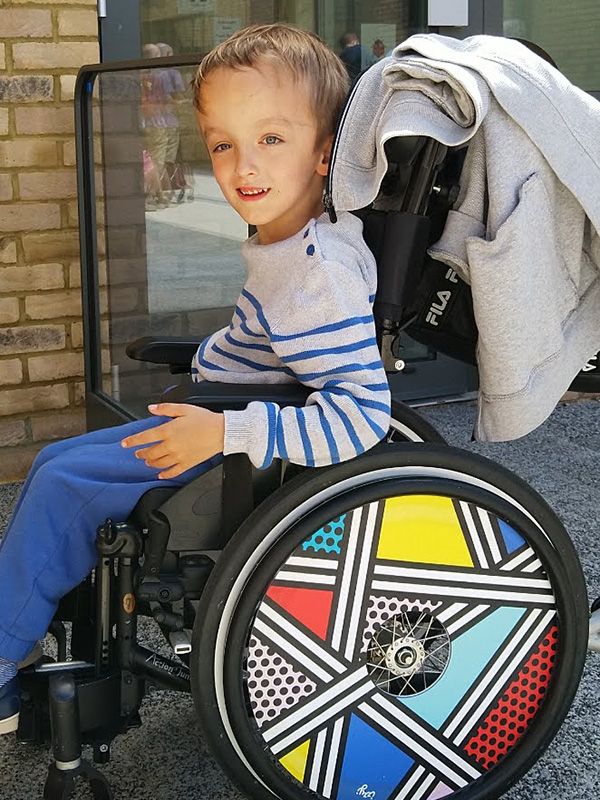
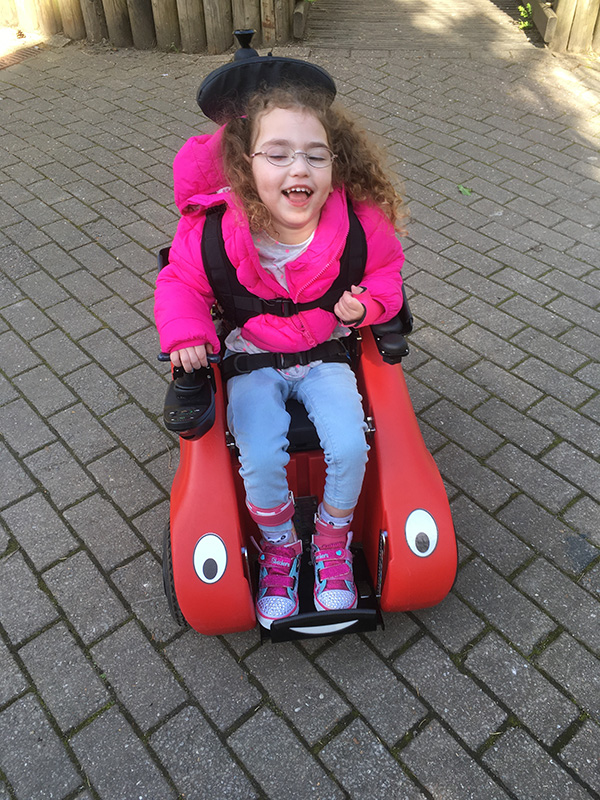
The two types of deputyship explained
What does a professional deputy do?
A financial deputy manages money and property. This often includes paying bills, managing investments, arranging benefits, buying or adapting a home, and preparing the annual accounts the Court requires. This is the role a professional deputy is usually appointed for, particularly where a significant compensation settlement needs careful, long-term management.
A welfare deputy makes decisions about care, medical treatment and daily life. The Court generally only appoints one of these where there’s a genuine dispute about someone’s best interests. In most cases, family members are trusted to make these decisions without needing a formal deputyship.
Making the right decisions for your loved ones
Is a professional deputy right for your family?
Many families manage perfectly well as deputies themselves, and we’ll always be honest if that’s the right path for you. A professional deputy tends to make more sense when a significant settlement needs specialist, long-term financial management, when family members don’t feel able to take on the responsibility, or when it would simply be a relief to have someone else carry that weight.
There’s no right or wrong choice, just what seems right for your situation. We’ll support you as you consider every possible solution.
Cerebral Palsy After a Difficult Birth
Ryan’s Story
Ryan developed cerebral palsy after his mother’s induced labour went wrong, and he now needs significant, lifelong support. Other solicitors had already turned his case away before he came to us. We secured the compensation Ryan needed for a specially adapted home and a hydrotherapy pool, and the security of knowing he’ll be cared for for the rest of his life.

Meet our Team
Our experienced team will be on hand to support you throughout the claim process.




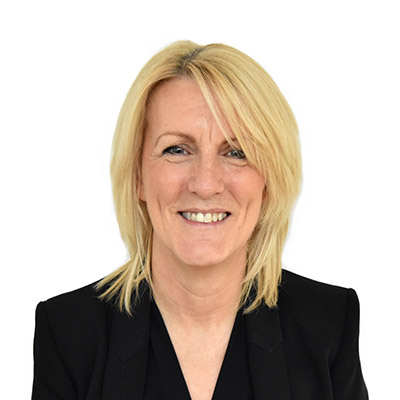

With you every step of the way
The deputyship application process
Making an application to the Court of Protection can feel like a significant moment, but we’re here to support you through every stage.
- Assessing capacity: We help gather the medical evidence needed to confirm that a deputy is genuinely required.
- Preparing the application: We complete and submit the necessary forms to the Court of Protection on your behalf.
- The Court’s decision: Deputyship application timescales typically run to several months, though this varies case by case. However long it takes, we’ll always keep you informed.
- Ongoing supervision: Once appointed, a deputy reports annually to the Office of the Public Guardian, which we can manage for you throughout.

Life Changing Stories
For Jack's* family, the road to justice took nearly two decades. It began with a mistake in a set of maternity notes, passed through [...]
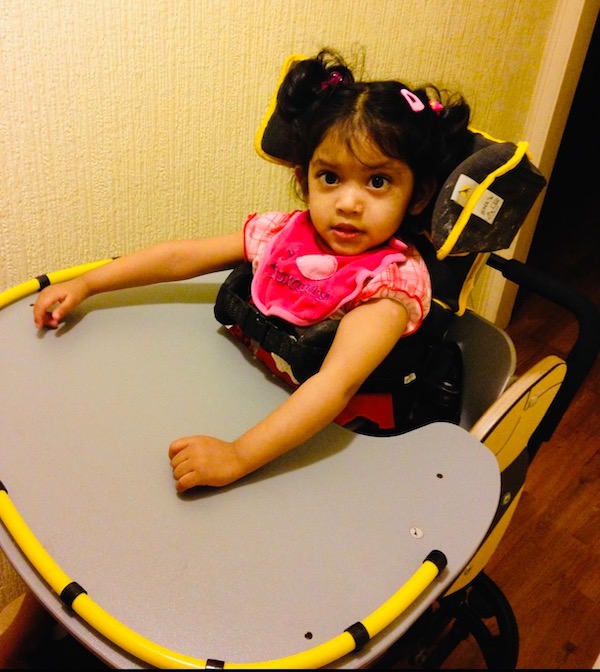
Mary's* Story: A Life Changed After PVL Brain Injury at Birth*Names have been changed to protect the family's privacy.What HappenedMary's mother, Rosie, was just [...]

We are pleased to announce the successful resolution of a highly unusual and complex claim for damages as a result of alleged substandard care [...]

Abigail's Story: Seven-Figure Settlement for Avoidable Brachial Plexus Injury Caused by Shoulder Dystocia During Birth Abigail's* mother contacted CL Medilaw after she had concerns [...]

Oliver's Story: Cerebral Palsy – Birth Injury Compensation CL Medilaw secured a multi-million-pound birth injury compensation settlement for Oliver, a child who was diagnosed [...]

GP Settles Claim for Missed Diagnosis of Meningitis in InfantMolly’s (name changed to protect privacy) mother sought legal advice after multiple GP visits failed [...]
About Us
The Court of Protection can be a complex area of law. When you work with us, you can have confidence that you’ll receive the best support at such a difficult time. We are:
Client-First
At CL Medilaw, we don’t just see you as a case number; you’re a person who deserves understanding and support in pursuit of justice.
Tailored-Support
From the first consultation through to the result of your claim, we will listen, understand, and build the right plan together.
Fee-Assured
If you’re worried about the cost of bringing a claim, we offer No Win, No Fee with insurance protection to help secure your funding.
Results-Focused
Ultimately, everything we do is geared towards our main goal — achieving the right result for you and your family.