
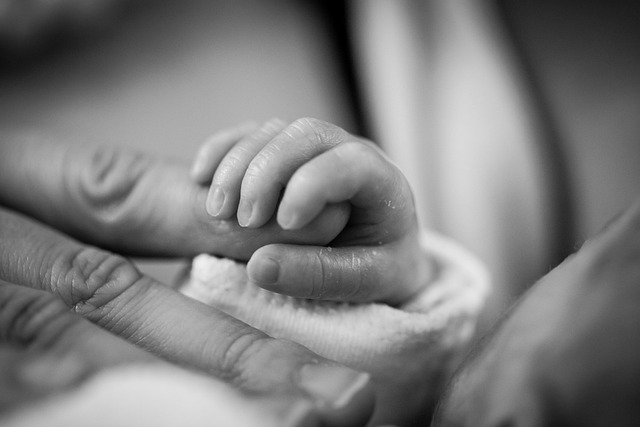
Abigail’s Story: Seven-Figure Settlement for Avoidable Brachial Plexus Injury Caused by Shoulder Dystocia During Birth
Abigail’s* mother contacted CL Medilaw after she had concerns about the care she received during her pregnancy and labour. Shortly after birth, Abigail was diagnosed with Erb’s Palsy, a lifelong condition affecting the function of her right arm and hand. We were able to identify a series of failings in the care that both baby and mother received, successfully proving that this shoulder dystocia birth injury was avoidable, resulting in a seven figure compensation settlement.
What Caused the Shoulder Dystocia Birth Injury?
Abigail’s mother endured a long labour. She initially attended hospital after her waters broke, only to be sent home and told to return 30 hours later, unless the frequency and strength of her contractions increased in the meantime. Upon her return to hospital, it took a further 16 hours to be moved to the labour ward, where after a further 12 hours there was still no real progress or sign of Abigail being born. Those caring for Abigail’s mother made the decision to use forceps in order to try and help deliver Abigail.
Abigail’s mother had a family history of diabetes, which meant that she was at a higher risk of Abigail being a large baby and getting stuck during delivery. After Abigail’s head was delivered, her shoulders became stuck in her mother’s pelvis, in what is known as shoulder dystocia – a medical emergency that requires swift action. Attempts were made to release Abigail’s shoulders, with her body being delivered 2 minutes after her head. The day after Abigail was born, it was noticed that she was not using her arm properly and after further investigation it was found that she had suffered a brachial plexus injury and was later diagnosed with Erb’s Palsy, which will affect her ability to use her right arm for the rest of her life.
Acceptance of Medical Failings in Shoulder Dystocia Cases
Midwives and obstetricians receive extensive training on the techniques and manoeuvres that should be used to safely deliver a baby experiencing shoulder dystocia during birth. Despite the hospital initially strongly denying any wrongdoing, CL Medilaw was able to prove that those caring for Abigail and her mum failed to recognise that, despite attempts to release Abigail’s shoulders, these had not been successful. Further, when trying to release Abigail’s shoulders, excessive force was used which ultimately caused her lifelong injury to the nerves impacting the use of her arm and hand.
CL Medilaw was able to secure a seven-figure settlement for Abigail. Although no amount of money can ever compensate for this life-changing injury, this included compensation for her pain and suffering as well as ensuring that all her additional needs now and in the future will be met.
Understanding and Managing Shoulder Dystocia Birth Complications
Shoulder dystocia during birth describes the situation when a baby’s head is born, but the shoulders are stuck behind the mother’s pubic bone causing the baby to become stuck. This is considered to be a rare, but recognisable medical emergency during labour and as such a set procedure is to be followed when this situation occurs.
This includes adopting techniques such as the McRoberts Manoeuvre, where the mother’s knees are placed up towards her chest in an attempt to release the baby. And if this does not help, other treatment includes the use of suprapubic pressure, internal rotation or delivery of the posterior arm/shoulder.
Annual training is provided to medical staff in relation to shoulder dystocia protocols, as research has shown that with use of the correct procedures, excessive force is not needed to deliver the baby safely. Although this research and the training has significantly decreased the incidence of cases of Erb’s Palsy in the context of shoulder dystocia, sadly these shoulder dystocia birth injuries are still being caused to babies, which have lifelong consequences.
What is Erb’s Palsy?
An injury to the brachial plexus causes an Erb’s Palsy injury. The brachial plexus is a network of nerves located at the top of the spine, which controls movement and sensation in the shoulder, arm, hand and fingers. The number of nerves injured determines the extent of the injury and unfortunately once damage has been caused, it is very hard to reverse this, often causing a lifelong injury.
Those with Erb’s Palsy often experience weakness in the affected side, which may include a reduced grip and general functionality with everyday tasks such as being able to write, to lift or for tasks which require manipulation of the fingers. This can impact life choices and limit types of occupation and requires the need for assistance with day-to-day tasks.
Client Testimonial
“We are truly thankful for the team’s guidance and support throughout the process. Our daughter will continue to face new challenges throughout every stage of her life however, the settlement has given us peace of mind that she will be able to get the correct support and care needed to face these challenges. Andrew and his team have worked tirelessly to ensure our daughter will be able to access the equipment, care and support she will require for a quality of life she wouldn’t have been able to achieve without this settlement.” – Abigail’s mother.
Expert Legal Commentary
“Due to the way in which the defendant robustly defended the claim on all bases, this was a complex claim and one where settlement was agreed very close to trial. I am, however, very pleased that a settlement has been agreed, which appropriately compensates Abigail for what she has gone through and the challenges that she will face in the future. The injury suffered by Abigail is life-changing, but avoidable.” – Andrew, Senior Partner at CL Medilaw.
If you believe your child has suffered a preventable birth injury due to medical negligence, contact CL Medilaw’s specialist birth injury team for expert legal advice.
*Names have been changed to protect the identity of our client.
Related Posts
For Jack's* family, the road to justice took nearly two decades. It began with a mistake in a set of maternity notes, passed through [...]
Mary's* Story: A Life Changed After PVL Brain Injury at Birth*Names have been changed to protect the family's privacy.What HappenedMary's mother, Rosie, was just [...]
We are pleased to announce the successful resolution of a highly unusual and complex claim for damages as a result of alleged substandard care [...]

Oliver's Story: Cerebral Palsy – Birth Injury Compensation CL Medilaw secured a multi-million-pound birth injury compensation settlement for Oliver, a child who was diagnosed [...]

GP Settles Claim for Missed Diagnosis of Meningitis in InfantMolly’s (name changed to protect privacy) mother sought legal advice after multiple GP visits failed [...]