
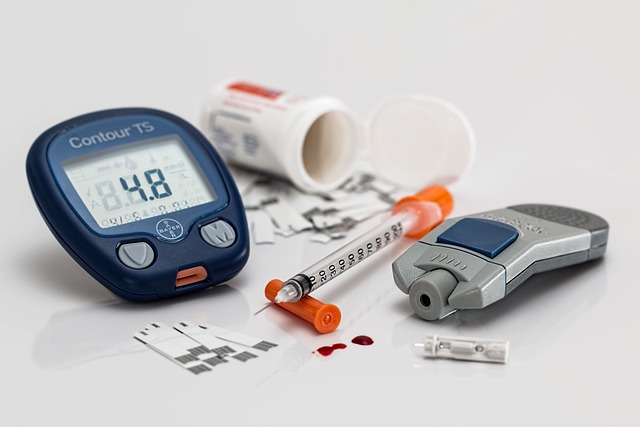
Diabetes Week 2025 (9th-15th June) shines a spotlight on a condition that affects 4.3 million people in the UK — but for some, awareness comes too late. This important week offers an opportunity to raise awareness of a serious condition that can have a profound impact on both physical and mental health.
Understanding Diabetes: What Happens to Your Body?
Diabetes is a complex condition where the blood glucose level in a person’s body is too high. We all need some glucose – it’s what gives us energy. We get glucose when our bodies break down the carbohydrates that we eat or drink.
We also need a hormone called insulin. It’s made by our pancreas, and it is insulin that allows the glucose in our blood to enter our cells and fuel our bodies.
The pancreas senses when glucose has entered the bloodstream and releases the right amount of insulin, so the glucose can enter our cells and fuel our bodies. If you have diabetes, this system doesn’t work.
What are the Types of Diabetes?
There are two main types of diabetes: type 1 and type 2. When you’ve got type 1 diabetes, you can’t make any insulin at all. If you’ve got type 2 diabetes, which is the most common, the insulin you make either can’t work effectively, or you can’t produce enough of it.
In all types of diabetes, glucose can’t get into your cells properly, so it begins to build up in your blood. And too much glucose in your blood over time can damage the blood vessels and nerves which may lead to complications such as kidney disease, heart attacks, blindness, and amputations.
Gestational diabetes is a type of diabetes that affects pregnant women, usually during the second or third trimester. Although it usually resolves after childbirth, it can increase the risk of pre-eclampsia, pre-term labour and future type 2 diabetes. Mothers are also at increased risk of having a large baby which can lead to complications during delivery.

Diabetes Risk Factors and Prevention
The risk of diabetes increases with age, especially after 45, and if you have a close relative with diabetes. Being overweight, smoking or having a sedentary lifestyle also increases the risk.
You can reduce your risk of type 2 diabetes by eating a healthy and balanced diet, being more active and managing your weight. As we mark Diabetes Week 2025, head to the Diabetes UK website here and use the Know Your Risk tool to see what you can do to reduce your risk.
The Consequences of a Delayed Diagnosis
While Diabetes Week focuses on prevention and awareness, the reality is that delayed diagnosis remains a serious problem in healthcare. The sheer volume of diabetes patients in the UK means that inevitably there are legal claims as a result of poor care. A delayed diagnosis of diabetes could be caused by the failure of a GP to pay attention to a patient’s worsening symptoms or failure to refer a patient to hospital. Alternatively, the hospital may have failed to carry out appropriate tests, follow up results, or manage the condition properly.
At CL Medilaw, we understand that diabetes can have permanent life-changing consequences for the patient and their family. Our team of experienced lawyers specialise in diabetes claims, which can often be complex and challenging. We have successfully obtained compensation for victims of this type of medical negligence, many of whom require significant care for the rest of their lives.
This Diabetes Week, we encourage everyone to spread awareness about prevention and early detection – but if you or a family member have suffered a complication because of a delay in diagnosis or poor management of diabetes, know that help is available.
Contact us today to arrange a free consultation.
Related Posts
For over 30 years, CL Medilaw has been helping people who have been injured by a medical mistake or a serious accident. Many of [...]

MPs used the Baby Loss Awareness Week debate on 12th October 2026 to press for accountability, consistent bereavement support, and measurable improvements in maternity [...]

Shoulder dystocia during delivery is one of the most serious complications that affects mothers in labour. However, unlike many other birth injuries, it is [...]

Saturday 26th of September marked an important step forward in the independent review of maternity and neonatal care at Leeds Teaching Hospitals NHS Trust, [...]

County Durham and Darlington NHS Foundation Trust revealed last week that they were carrying out an internal review of their breast cancer services following [...]
The Thirlwall Inquiry has published its final report into events at the Countess of Chester Hospital, finding a “complete failure to protect babies” on [...]

Concerns about maternity and neonatal care at Leeds Teaching Hospitals NHS Trust have been building for several years, leading to the launch of an [...]

When a baby is deprived of oxygen during pregnancy, labour, or birth, families are often left searching for answers long after leaving the hospital. [...]