
The Cumberlege report was meant to be a turning point for families affected by sodium valproate. Published in July 2020, it exposed decades of dismissed patient concerns and called for urgent action to be taken. Despite this, in the years that followed, some women continued to be prescribed the medication without being properly warned about the risks.
We look at what the report found, its core recommendations, and why so many of them still haven’t been acted on several years later.
What was the Cumberlege report?
The Cumberlege report is the commonly-used name for the Independent Medicines and Medical Devices Safety Review. Chaired by Baroness Julia Cumberlege and published in July 2020, it examined three areas where patients had been harmed, specifically; sodium valproate, pelvic mesh, and a pregnancy test called Primodos.
The review’s central finding was that the healthcare system had repeatedly failed to listen to patients. Women affected by sodium valproate had raised concerns for years, only to be dismissed or told the drug was safe to use while pregnant.
However, exposure to this medication in the womb can cause foetal valproate syndrome. The results of these include physical differences such as spina bifida, heart defects, and cleft palate, alongside developmental difficulties including delayed speech, learning disability, and a higher likelihood of autism spectrum traits. You can read more about the condition in our guide to foetal valproate syndrome.
The Cumberlege report made nine general recommendations, along with several specific to sodium valproate, aimed at fixing the culture around it and supporting the families who had already been affected.
What did the Cumberlege report recommend for sodium valproate?
Over five years on, some recommendations have been delivered in full, others rejected outright, and several still without any government response at all:
- An Apology: Was issued by the government the day after publication.
- A Patient Safety Commissioner: Dr Henrietta Hughes was appointed in July 2022 to champion patient safety and advocate for those harmed.
- A Redress Agency: For those harmed by medicines and devices was rejected by the government, which said its priority was making medicines safer rather than compensating those already affected.
- Specialist Centres: For families affected by medication taken in pregnancy. This was initially accepted, then reversed, before a smaller pilot scheme was eventually launched in Newcastle and Manchester in 2024.
- Valproate-specific Recommendations: The government has still not formally responded to any of the following: Including a prospective registry, clearer prescribing guidance, and a way to identify all those already affected.
Why was sodium valproate still prescribed after the report’s publication?
Sodium valproate shows that the publication of a report doesn’t always lead to the immediate and lasting change it outlines.
In 2018, before the Cumberlege report was published, the MHRA had already ruled that valproate must not be prescribed to women or girls of childbearing potential unless they were enrolled on the pregnancy prevention programme. Despite this, a 2022 Sunday Times investigation found the drug was still being dispensed to pregnant women, sometimes in plain packaging with no patient information leaflet, or with the warning label obscured.
A few things might help to explain why the rules weren’t translated into meaningful change:
- Awareness Gaps Among Patients: A survey by Epilepsy Action and other charities found that a third of women taking other anti-epileptic medications didn’t know those drugs could also increase the risk of birth abnormalities, suggesting messaging around valproate amounted to more than just an isolated communication failure.
- Reduced Incentives For GPs: A quality framework that had rewarded GPs for discussing pregnancy risk with patients was withdrawn in 2014 and, as of the most recent review of the Cumberlege recommendations, still hasn’t been reinstated.
- Slow Rollout of Specialist Support: The pilot service meant to give patients access to expert advice on medication and pregnancy didn’t launch until 2024, four years after the report had identified how much it was needed.
What has changed since the Cumberlege Report?
Progress has been slow, but not nonexistent. The Patient Safety Commissioner published the Hughes Report in February 2024, setting out a proposed redress scheme, including an interim payment for affected families. The government has yet to formally respond to this.
Additionally, the Medicines and Pregnancy Registry has also been set up, tracking prescribing data across a dozen different epilepsy medications. Meanwhile, in January 2024 the MHRA introduced further restrictions, meaning valproate can no longer be started in any new patient under 55 unless two specialists agree that no other treatment will work.
What hasn’t changed, though, is the underlying picture. An estimated 20,000 children in the UK are thought to have been affected by sodium valproate, and, despite recommendations, there is still no dedicated redress scheme in place for their families. Some campaigners have gone further than the report’s own recommendations, calling for sodium valproate to be banned in pregnancy outright rather than being restricted.
What support is available now?
If your family has been affected by sodium valproate, there’s a mixture of NHS, charity and legal support available to you. Our guides covering what foetal valproate syndrome is and the wider sodium valproate scandal cover some of this in greater detail.
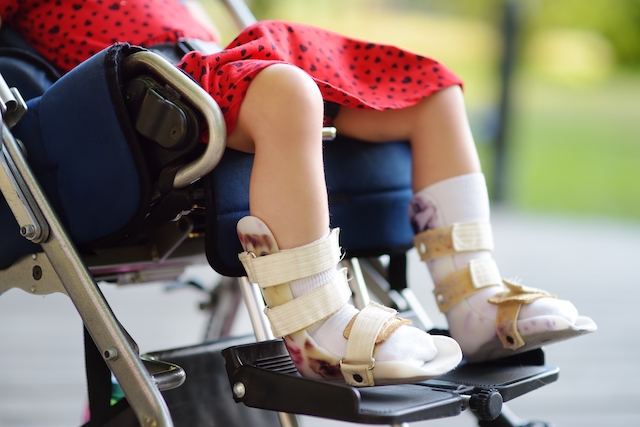
For families whose child has been left with a lifelong disability, our birth injury team can help secure the funding needed for ongoing care, therapies and specialist equipment.
Who can bring a claim?
You may be able to bring a clinical negligence claim if you took sodium valproate during pregnancy without being properly warned about the risks, and your child has been affected as a result. This applies whether you were prescribed the drug before or after the Cumberlege report, since the underlying legal test is the same: any reasonably competent doctor, at the time, should have explained the risks and discussed alternatives with you.
If you’ve already been told you don’t have a claim, it’s always worth making sure for your own peace of mind. Our second opinion service can review your experiences again, free of charge.
Families don’t need to wait for change
The government’s recommendations for redress are still unanswered, five years on. But waiting for that to change isn’t the only option families have.
At CL Medilaw, we’ve been following the sodium valproate story closely for a long time, and we understand how difficult many families’ experiences have been. We’re here to listen to what happened to you and can offer a fresh perspective, even if you’ve already been told you don’t have a claim. Our second opinion service provides a free review of the evidence, regardless of what you have been told elsewhere.
If you or your child have been affected by sodium valproate, contact our specialist team today for a free, no-obligation conversation about your options.
Related Posts

Sodium valproate has been used to treat epilepsy, and less commonly bipolar disorder and migraines, since the 1970s. While concerns about its safety in [...]

Henrietta Hughes, England's Patient Safety Commissioner, has described the sodium valproate scandal as being “bigger than thalidomide”. It's a serious claim, given how deeply [...]
Foetal valproate syndrome is a condition that affects some babies when their mother takes sodium valproate during pregnancy. It can cause a number of [...]

Concerns around sodium valproate in pregnancy mean it has been effectively banned, with a small number of exceptions, since 2018. Despite this, the drug [...]

A spinal cord injury can affect your mobility, your independence and the shape of everyday life. Rehabilitation can help you to adapt, build new [...]
For over 30 years, CL Medilaw has been helping people who have been injured by a medical mistake or a serious accident. Many of [...]

MPs used the Baby Loss Awareness Week debate on 12th October 2026 to press for accountability, consistent bereavement support, and measurable improvements in maternity [...]

Shoulder dystocia during delivery is one of the most serious complications that affects mothers in labour. However, unlike many other birth injuries, it is [...]