
Brain Injury Care
Finding and paying for the right type of care is one of the most important aims of making a brain injury compensation claim. It’s about making sure a person’s care needs are met fully by the most appropriate type of carers, enabling as much independence as possible, and in a way that creates the least intrusion to family life.
Experts in Medical Negligence Claims



Types of care
The type and amount of care required will depend on the severity of the brain injury and its effects.
Children and adults with severe neurological impairments, who may rely on a wheelchair for mobility, require hoisting for transfers, possibly are tube-fed, and completely reliant on others for all basic needs, will need a team of employed, brain injury nursing carers, which may be on a 1:1 or even 2:1 basis, day and night.
Individuals with more subtle impairments following a brain injury, or those that have more cognitive or behavioural problems, are more likely to benefit from a support worker or enabler, who can provide supervision and assistance with daily living activities and help them engage with neurorehabilitation.
And then there are many cases that fall in between, where qualified carers are needed for personal care and assistance and overall brain injury care and support.
How is it paid for?
Usually the brain injury compensation awarded to cover the costs of care is paid as annual, tax-free payments for the rest of the brain-injured person’s lifetime. In cases against the NHS, it is NHS Resolution, the organisation responsible for dealing with negligence claims against the NHS, that will make these payments annually to the claimant. In other types of cases, certain insurance companies may also pay for care in this way. It provides the confidence of knowing that the money will never run out and that it will always be possible to pay for the best brain injury care, no matter what.
Brain injured claimants often lack the capacity to make decisions about and manage their large compensation awards. The Court of Protection in England and Wales provides a safeguard for these claimants by requiring a Deputy or Trustee be appointed to oversee how the compensation is spent and to ensure funds are held in a specialist bank account and invested safely. The Deputy or Trustee will arrange for brain injury carers to be employed and paid, in consultation with the brain-injured person and their family, to ensure their care needs are met in the best possible way.
What is a Case Manager?
The job of sourcing the best carers, interviewing them, managing employment contracts and adhering to employment laws, leading a team of carers and creating rotas is a time-consuming one. A case manager is someone who can take over the administration, co-ordinating and organising it can take to look after someone with a brain injury, leaving family members to concentrate on being just that, a family. A case manager can also help to meet other needs such as finding therapists or sourcing equipment. The funds needed to pay the case manager can also be claimed from the defendant as part of the brain injury compensation award.
Having worked with many families affected by brain injury, we understand the importance of putting the right care package in place. We work with the best care experts to obtain the maximum compensation possible to ensure our clients and their families have the security of life-long, paid for care that can be adapted to meet our client’s needs when necessary.
Meet our Team
Our experienced team will be on hand to support you throughout the claim process.















Life Changing Stories
We have supported countless families in successfully pursuing medical negligence compensation. Here are some of the personal journeys we’ve been a part of:
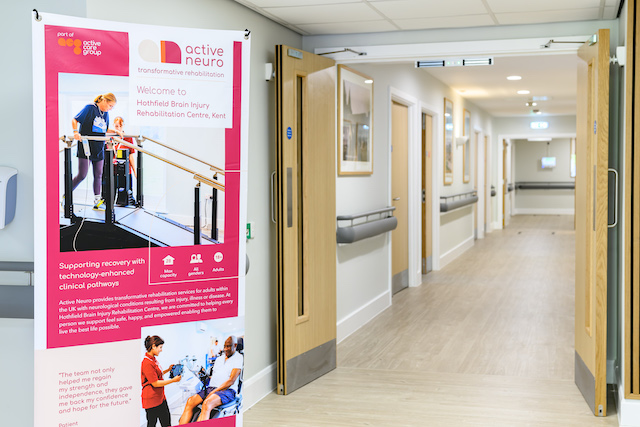
Alex’s life changed in seconds when a van pulled out from a side road and collided with him as he rode his electric bicycle [...]
For Jack's* family, the road to justice took nearly two decades. It began with a mistake in a set of maternity notes, passed through [...]
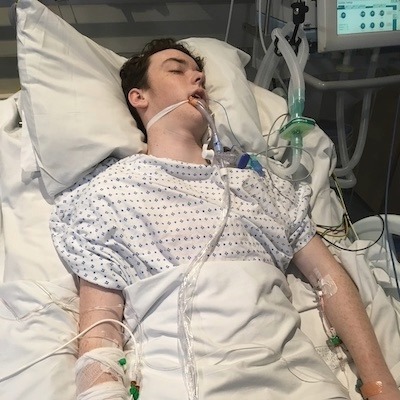
Steven was just 17-years-old when a delayed diagnosis of meningococcal meningitis changed his life forever. Two hours after being sent home by his GP [...]
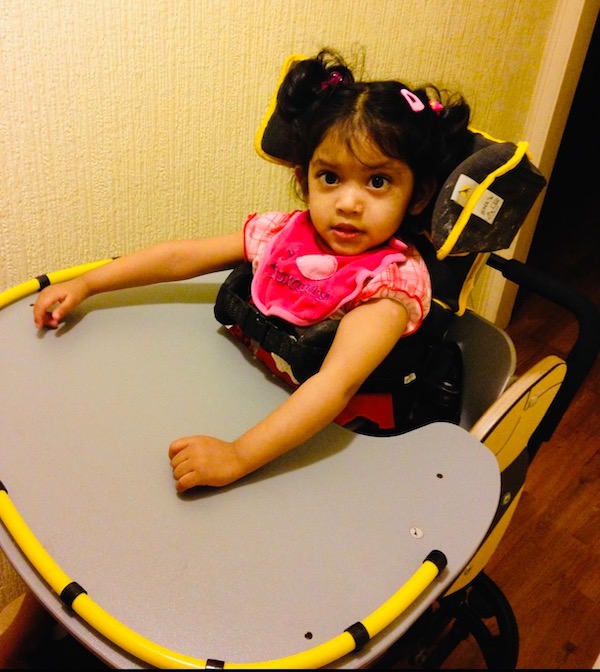
Mary's* Story: A Life Changed After PVL Brain Injury at Birth*Names have been changed to protect the family's privacy.What HappenedMary's mother, Rosie, was just [...]

We are pleased to announce the successful resolution of a highly unusual and complex claim for damages as a result of alleged substandard care [...]

Abigail's Story: Seven-Figure Settlement for Avoidable Brachial Plexus Injury Caused by Shoulder Dystocia During Birth Abigail's* mother contacted CL Medilaw after she had concerns [...]
About Us
Medical negligence claims can be complex areas of law. When you work with us, you can have confidence that you’ll receive the best support at such a difficult time. We are:
Client-First
At CL Medilaw, we don’t just see you as a case number; you’re a person who deserves understanding and support in pursuit of justice.
Tailored-Support
From the first consultation through to the result of your claim, we will listen, understand, and build the right plan together.
Fee-Assured
If you’re worried about the cost of bringing a claim, we offer No Win, No Fee with insurance protection to help secure your funding.
Results-Focused
Ultimately, everything we do is geared towards our main goal — achieving the right result for you and your family.