
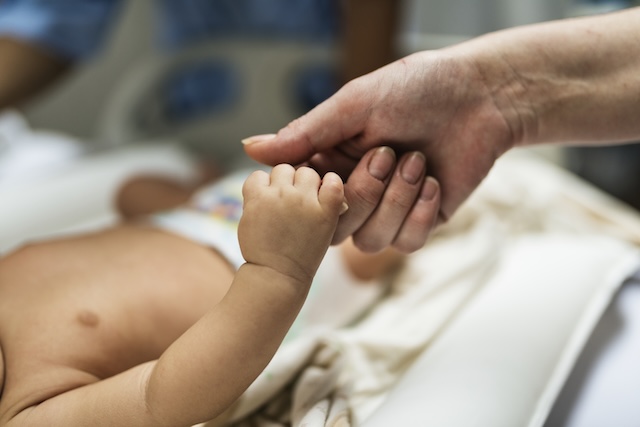
Each year in the UK, one in seven babies (approximately 90,000) require neonatal care — including specialist monitoring, treatment, and support in neonatal units. A baby may need neonatal care if they have been born prematurely, at full term with medical conditions, or due to complications during the birth. For the families of these babies, the otherwise joyous occasion of their arrival is instead fraught with worry and uncertainty.
Until recently, parents of babies requiring specialist neonatal care had no legal neonatal leave rights or entitlement to additional paid time off under UK employment law. As a result, families had to rely on other statutory leave, not intended to cover long-term stays in hospital. In many such cases, parents were left with no choice but to return to work whilst their baby remained in hospital.
In recognition of the unique challenges faced by families in such difficult circumstances, the government introduced the Neonatal Care (Leave and Pay) Act 2023, which came into effect on 6th April 2025.
This landmark legislation formalised neonatal care leave rights by allowing eligible employed parents up to 12 weeks of paid leave when their newborn requires neonatal care over and above the existing maternity and paternity entitlements.
To access neonatal care leave rights under the Neonatal Care (Leave and Pay) Act 2023, parents must:
- Be employed at the time your baby is admitted to neonatal care.
- Have a baby admitted to neonatal care within the first 28 days after birth.
- Have a baby who requires at least seven consecutive days of neonatal care.
- Be the child’s biological parent, the partner of the biological parent, an adopter or prospective adopter, an intended parent through surrogacy, or a person with or expecting to have responsibility for the child.
Why the Neonatal Care (Leave and Pay) Act 2023 Matters to the Families We Support
Charlotte Moore, birth injury specialist, says:
This new Act is a significant step forward in supporting families at a hugely emotional and challenging time following the birth of their baby. It acknowledges the critical need for parents to be with their babies without having to worry about money or job security.”
We act for many families pursuing claims following complications surrounding the birth of their child, often resulting in extended neonatal care stays — such as in Charlie’s case. Following a premature birth, Charlie was in neonatal intensive care for a number of weeks before he was discharged at seven weeks old, when he was subsequently diagnosed with cerebral palsy.
Parents of newborn babies, like Charlie, who require neonatal care are all too often faced with the distressing and difficult choice of wanting to stay with their baby in hospital and needing to return to work. Both the financial strain of taking significant periods of unpaid leave, and the emotional toll of returning to work with an unwell baby in hospital can be overwhelming — placing them in an impossible position with no easy way forward.
The Neonatal Care (Leave and Pay) Act 2023 provides essential leave rights, allowing parents to focus on their newborn’s care without the added stress of job security or loss of income.
We understand the importance of finding the right support when your baby is admitted into neonatal care, which is why we work closely with a number of charities that can offer assistance for those in need.
Charities Offering Support During Neonatal Care
Sarah Land, charity founder at Peeps-HIE, the UK’s only charity dedicated to supporting families touched by a HIE (Hypoxic-ischaemic encephalopathy) event, says:
“This such a positive step forward for families who face neonatal care. Having a baby who needs neonatal care is often unplanned and unexpected. It’s such an emotional time, with parents facing significant stress, worrying about their baby or babies; having the ability (where eligible) to take paid leave from work for up to 12 weeks will help parents be able to focus on their babies and share important bonding time and responsibilities, without the financial worry of taking time off work unpaid. We hope that this also has a positive impact on the longer-term mental health of parents, as we see first-hand how the neonatal experience can have a significant impact on parents.

We’re here to support during this time, and beyond too. Whether it’s with peer support, specialised counselling or trauma therapy, online information, financial support, or simply being part of a community of people who “get it”, if you’ve been affected by H.I.E. please don’t hesitate to get in touch.”
Kirsten Mitchell, Founder at Spoons, a charity supporting neonatal families in the Northwest, says:
“The new policy helps to relieve the pressure on parents at an already traumatic time in their lives. They will be able to concentrate on supporting their baby, without worrying about work and finances quite as much. More details on the policy can be found on our website, as well as the additional support we offer for families including peer support, trauma therapy, free community groups, and one to one support once home.”
Support for Families Facing Neonatal Care Challenges
At CL Medilaw, our national team of birth and maternity injury lawyers is dedicated to advocating for families who have had a traumatic birth experience.
If you have questions about your neonatal leave rights, the Neonatal Care (Leave and Pay) Act 2023, or need legal advice following a traumatic birth, our team is here to support you. For more information about how we can support families through birth injuries, please visit our dedicated birth injury page.
Related Posts

For over 30 years, CL Medilaw has been helping people who have been injured by a medical mistake or a serious accident. Many of [...]

MPs used the Baby Loss Awareness Week debate on 12th October 2026 to press for accountability, consistent bereavement support, and measurable improvements in maternity [...]

Shoulder dystocia during delivery is one of the most serious complications that affects mothers in labour. However, unlike many other birth injuries, it is [...]

Saturday 26th of September marked an important step forward in the independent review of maternity and neonatal care at Leeds Teaching Hospitals NHS Trust, [...]

County Durham and Darlington NHS Foundation Trust revealed last week that they were carrying out an internal review of their breast cancer services following [...]
The Thirlwall Inquiry has published its final report into events at the Countess of Chester Hospital, finding a “complete failure to protect babies” on [...]

Concerns about maternity and neonatal care at Leeds Teaching Hospitals NHS Trust have been building for several years, leading to the launch of an [...]

When a baby is deprived of oxygen during pregnancy, labour, or birth, families are often left searching for answers long after leaving the hospital. [...]