
Growing up different – life with a disabled sibling
When a child is born with or acquires a disability, the impact on the family is profound, often altering the dynamics and routines in significant ways. Parents typically assume the primary caregiving role, which can be both physically and emotionally demanding. While their focus is understandably on providing the best possible care for the child with a disability, this can inadvertently lead to the needs of siblings being overlooked.
These siblings may experience a range of emotions, from confusion and jealousy to guilt and anxiety, as they navigate their place in a family that is now centred around the unique needs of their brother or sister.
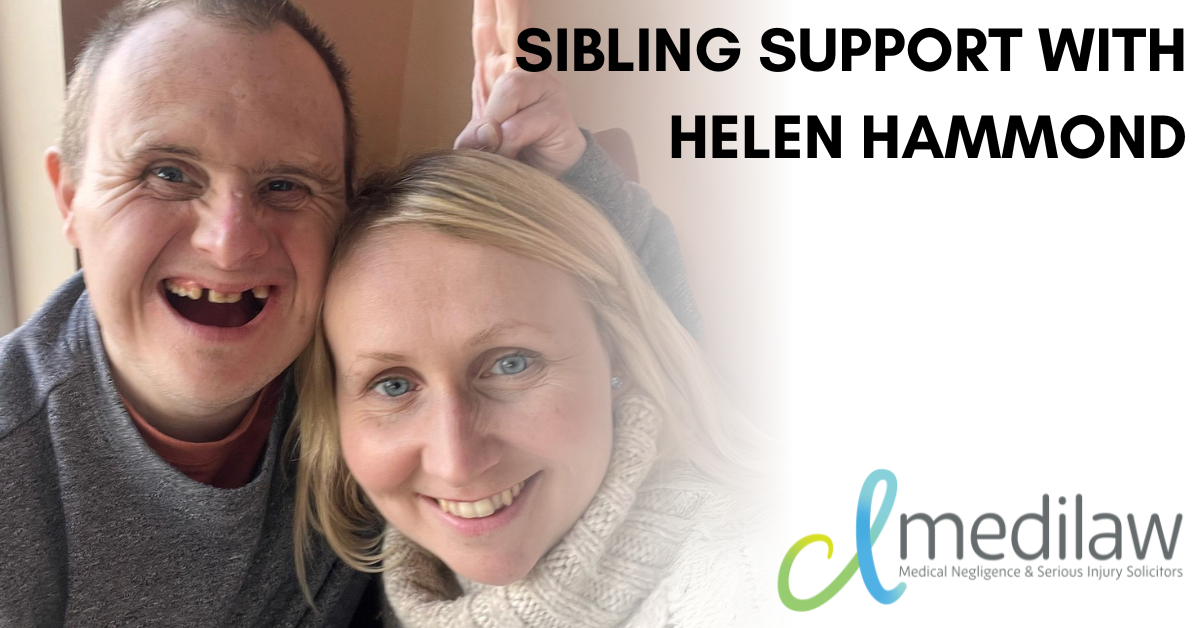
Senior Associate Helen Hammond reflects on her experiences
Growing up with a disabled sibling gives you a different kind of childhood. For me and my big sister, we were an average family until our brother arrived when I was two. Within hours of his birth my parents were told Richard had Down’s Syndrome but concerns about this were soon eclipsed by the fear that he may not survive because of the problems with his heart.
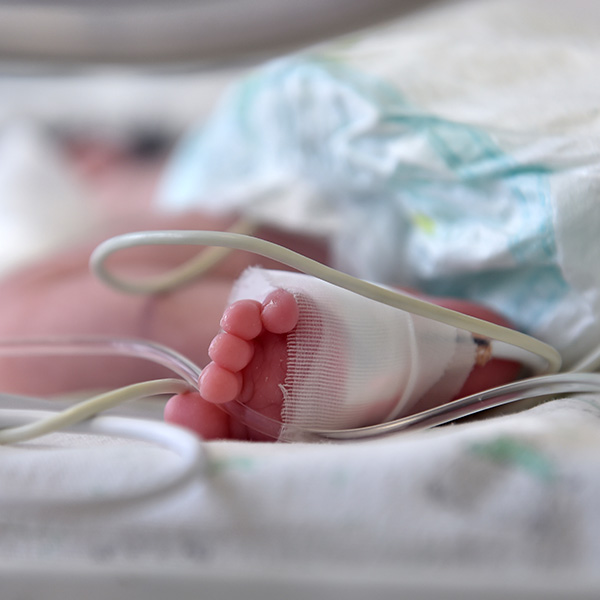
This began a family roller-coaster ride, with Richard spending the majority of the first two years of his life in hospital, often in Great Ormond Street when we lived hours away. I had intermittent contact with my mum while she cared for my brother in hospital, my dad worked to keep the bills paid and my grandmother moved in to help keep us all afloat. By the age of 20 Richard had had around 30 different procedures, from open heart surgery to an ileostomy. The hospital became quite a familiar place for me and some of my strongest early memories happened there, having a fun day out on the train to London or watching my brother sick with sepsis. Mine is not a novel story in the world of disabled siblings though, and many I speak to have a similar tale to tell.
Being a sibling to a disabled brother or sister brings some wonderful positives…Richard is a very loving person, bringing me huge amounts of fun and sharing his positive and innocent view of the world, with his unremitting love of all things Disney and constant tickle attacks. He also gave me the privilege of being part of the disabled community, allowing me to have a connection with families who have been touched by a wide range of disabilities, like cerebral palsy, brain injuries and learning difficulties.
All that said, having a disabled sibling can sometimes be a lonely place, with responsibility arriving younger, alongside carrying the weight of genuine concerns about your sibling’s health. This life takes its toll on parents who are juggling a lot, and their disabled child quite understandably needs a lot of their time.
Friends don’t generally share this experience or understanding and are often just focussed on having fun! To a lesser or greater extent dependent on the family, siblings are often carers, and there is now great help available to support them.
Sibs and Young Carers are just two of the charities who can help siblings form connections with peers who are better equipped to help them navigate the tougher days. For those lucky enough to have it, extended family can also provide a supportive role, as my grandmother did in my early years. With the right support, these siblings can often become compassionate and empathetic adults because of their unique experiences in childhood.

I know that what brought me into the job I do is my family background. This makes me acutely aware of the plight of siblings in medical negligence claims, with no legal claim available for them, as they are not the ‘harmed’ person. Though they aren’t harmed, their lives are irrevocably changed, with positives and negatives, when they grow up with a disabled sibling.
When disability happens because of failures in medical care, a legal claim has its place to indirectly help siblings; often a significant concern of parents of disabled children, whether the disability is Down’s Syndrome, cerebral palsy or hypoxic ischaemic encephalopathy (HIE) at birth, is to make sure that the child’s future is secure when the parents are no longer there. Even when a family have achieved state-funded independent living for their disabled child, the non-disabled sibling is likely to have to step into at least some of the parents’ role in coordinating this care and advocating for their sibling.
Where there is a financial settlement, however, these siblings can often choose how much they want to be involved in their disabled sibling’s lives and how they do this, which may be just to enjoy each other’s company in the traditional sense of a sibling relationship, which can be a gift to the whole family.
Contact us
Call us – 0345 241 0154
Speak to a member of our team for a free initial discussion to see how we can help you further. We provide a free case review and can provide you with a second opinion if your claim has been investigated before.
Email us – enquiries@clmedilaw.co.uk
One of our team will acknowledge your email and make arrangements to discuss your query in more detail at a suitable time.
Complete our form
You can safely and securely send your enquiry using the form here. You’ll get an immediate confirmation email and one of our friendly team will get back in touch with you.
Related Posts
For over 30 years, CL Medilaw has been helping people who have been injured by a medical mistake or a serious accident. Many of [...]

MPs used the Baby Loss Awareness Week debate on 12th October 2026 to press for accountability, consistent bereavement support, and measurable improvements in maternity [...]
Shoulder dystocia during delivery is one of the most serious complications that affects mothers in labour. However, unlike many other birth injuries, it is [...]
Saturday 26th of September marked an important step forward in the independent review of maternity and neonatal care at Leeds Teaching Hospitals NHS Trust, [...]

County Durham and Darlington NHS Foundation Trust revealed last week that they were carrying out an internal review of their breast cancer services following [...]
The Thirlwall Inquiry has published its final report into events at the Countess of Chester Hospital, finding a “complete failure to protect babies” on [...]
Concerns about maternity and neonatal care at Leeds Teaching Hospitals NHS Trust have been building for several years, leading to the launch of an [...]
When a baby is deprived of oxygen during pregnancy, labour, or birth, families are often left searching for answers long after leaving the hospital. [...]