

Concerns around sodium valproate in pregnancy mean it has been effectively banned, with a small number of exceptions, since 2018. Despite this, the drug was routinely given to pregnant women for more than 40 years after those risks were first identified. An estimated 20,000 children in the UK are thought to have been affected during that time, many of whom are now living with lifelong disabilities. Meanwhile, countless affected families are turning to legal claims to get their children the support they will need for the future.
To appreciate how it got this far, it’s important to first understand what the medication was intended for, and how families’ concerns took so long to emerge.
What is sodium valproate?
Sodium valproate medication is primarily an anti-epileptic drug. However, clinicians also prescribe it for bipolar disorder and, less commonly, to prevent migraines. It’s sold under a few different brand names, including Epilim, Episenta, Epival, and Dyzantil.
For many people, sodium valproate is an effective and well-tolerated treatment. It not only helps to control seizures in epilepsy but also stabilises mood in people with bipolar disorder. The problem lies specifically with its use by women who are, or could become, pregnant, as the drug crosses the placenta, which can affect a baby’s development in the womb.
What are the side effects of sodium valproate in pregnancy?
There’s an important distinction between sodium valproate’s general side effects and the risks it poses specifically to people who are pregnant. As with many medicines, taking sodium valproate can lead to some worrying consequences for anyone who takes it. However, many of these are separate from the risks to an unborn baby.
General risks include:
- Tremors.
- Weight gain.
- Hair loss.
- Drowsiness.
However, the pregnancy-specific risks are much more concerning. Sodium valproate is teratogenic, meaning it can cause physical abnormalities in a developing baby. These potential outcomes are sometimes grouped under the umbrella name ‘foetal valproate syndrome’, and include:
- Physical birth defects, including spina bifida, heart defects and cleft palates.
- Delayed speech and walking.
- Educational difficulties compared to other children around the same age.
- A higher likelihood of neurodivergence, such as autism spectrum traits.
The effects on a child’s development could, therefore, last a lifetime.
There’s also emerging research into the effects of what happens when male partners have taken the drug. The Medicines and Healthcare Products Regulatory Agency (MHRA) is currently investigating whether babies born to men who took sodium valproate in the months before conception may face similar developmental risks as mothers. This work is ongoing.
Current guidance states that anyone taking sodium valproate should not stop suddenly without speaking to a doctor first, as this can cause seizures or a relapse in symptoms. This also carries its own risks to babies during pregnancy. Ultimately, anyone who could become pregnant while taking the drug should be enrolled on the Valproate Pregnancy Prevention Programme (aka Prevent) which is designed to make sure they understand the risks and are using effective contraception.
What is the sodium valproate scandal?
The risks of taking sodium valproate in pregnancy were first identified by researchers in the 1970s. Despite this, meaningful restrictions on prescribing the drug to pregnant women weren’t introduced until 2018 — over 40 years later. In that time, many women say they were never warned about the risks at all, while others were instead assured the drug was safe to take during pregnancy.
The full scale of harm came into sharper focus through the Independent Medicines and Medical Devices Safety Review, led by Baroness Julia Cumberlege. This review found that patients’ concerns about sodium valproate, along with related concerns about pelvic mesh and a pregnancy test called Primodos, had often been dismissed. It described a culture within the healthcare system that failed to listen to patients and was slow to act on emerging evidence of harm.
Some commentators have since likened the scale of the scandal to thalidomide, given the number of families affected and the time it has taken for the risks to be properly addressed. To find out more about how the two compare, read our article, ‘Why Has Sodium Valproate Been Compared to Thalidomide?’.
The sodium valproate timeline so far
A gap of 40 years between the first warning and genuine action highlights the missed opportunities that stretch back decades:
- 1970s: Researchers first raise concerns that sodium valproate taken during pregnancy may harm an unborn baby.
- 2018: After sustained campaigning, restrictions are introduced requiring women of childbearing age to be enrolled on a pregnancy prevention programme before being prescribed the drug.
- July 2020: The Independent Medicines and Medical Devices Safety Review, chaired by Baroness Cumberlege, is published, describing decades of dismissed patient concerns and recommending a redress scheme.
- November 2023: NHS England launches the Valproate Integrated Quality Improvement programme to reduce harm going forward.
- February 2024: Patient Safety Commissioner, Dr Henrietta Hughes, publishes a report recommending a two-stage redress scheme, including an interim payment for those affected.
- 2025: Campaigners including Epilepsy Action say the Autumn Budget is another missed opportunity to announce redress.
- May 2026: The government confirms it will not appoint a dedicated “valproate tsar” or senior team to oversee support for those affected.
- July 2026: The Patient Safety Commissioner’s annual report describes a “stark lack of government response” to her recommendations, with still no redress scheme or timeline in place.
You can read more about where things currently stand in our news coverage of the ongoing lack of redress for valproate and vaginal mesh victims and calls for sodium valproate to be banned in pregnancy.
How many people might have been affected?
An estimated 20,000 children in the UK are thought to have been affected by sodium valproate exposure in the womb since the risks were first identified. The true number is very difficult to pin down precisely, partly because many affected families are still being identified, and also because milder developmental effects can go unrecognised for years.
NHS prescribing data continues to be monitored through the Valproate Safety Dashboard, which tracks how many women of childbearing age are still being prescribed the drug today.
What support is available?
Families affected by sodium valproate can access a mix of NHS, charitable, and legal support, depending on what they need most.
The NHS Valproate Integrated Quality Improvement programme works with local health services to reduce harm going forward, including through the Prevent pregnancy prevention programme and shared decision-making tools for anyone currently prescribed the drug. Charities including Epilepsy Action and the Independent Fetal Anticonvulsant Trust offer information and peer support for families living with the effects of foetal valproate syndrome.
For families whose child has been left with a lifelong disability, the practical and financial support needed often goes well beyond what’s currently available. This is where specialist legal advice can help, particularly around funding therapies, adapted housing, and long-term care. Our birth injury team works with families in exactly this position, and if you’ve already taken advice elsewhere and aren’t sure it covered everything, our second opinion service is a good place to start.
You may be able to bring a clinical negligence claim if you took sodium valproate in pregnancy without being properly warned about the risks, and you believe your child’s health and development has been affected as a result. To succeed, a claim generally needs to show that a reasonably competent doctor, at the time you were prescribed the drug, should have explained the risks and discussed alternatives, and that this didn’t happen. Every case is different, and time limits apply, so it’s worth getting advice as early as possible.
CL Medilaw comments
Elise Bevan, Partner at CL Medilaw, said: “Sodium valproate is the latest in a long line of scandals where women weren’t given the information they needed to make an informed choice about their care. Heartbreakingly, so many children have paid the price for these long-term failings. We’ve supported many families affected by birth injury and medication harm, and we understand how overwhelming it can feel to even know where to start. If you took sodium valproate during pregnancy and you’re concerned about the impact on your child, please reach out for guidance.”
If you or your child have been affected by sodium valproate, contact our specialist team today for a no obligation conversation about your options.
Related Posts

Sodium valproate has been used to treat epilepsy, and less commonly bipolar disorder and migraines, since the 1970s. While concerns about its safety in [...]

Henrietta Hughes, England's Patient Safety Commissioner, has described the sodium valproate scandal as being “bigger than thalidomide”. It's a serious claim, given how deeply [...]

The Cumberlege report was meant to be a turning point for families affected by sodium valproate. Published in July 2020, it exposed decades of [...]
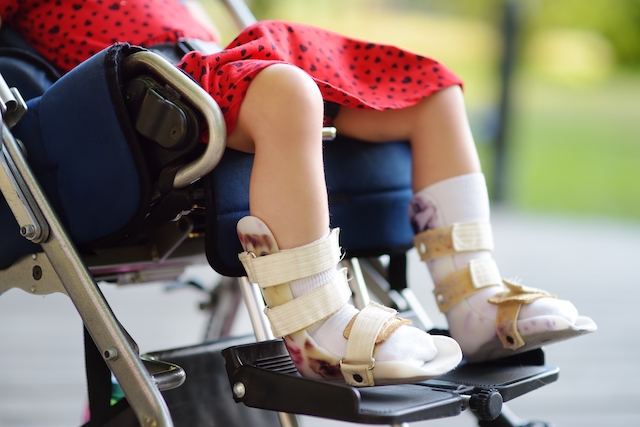
Foetal valproate syndrome is a condition that affects some babies when their mother takes sodium valproate during pregnancy. It can cause a number of [...]

A spinal cord injury can affect your mobility, your independence and the shape of everyday life. Rehabilitation can help you to adapt, build new [...]
For over 30 years, CL Medilaw has been helping people who have been injured by a medical mistake or a serious accident. Many of [...]

MPs used the Baby Loss Awareness Week debate on 12th October 2026 to press for accountability, consistent bereavement support, and measurable improvements in maternity [...]

Shoulder dystocia during delivery is one of the most serious complications that affects mothers in labour. However, unlike many other birth injuries, it is [...]