
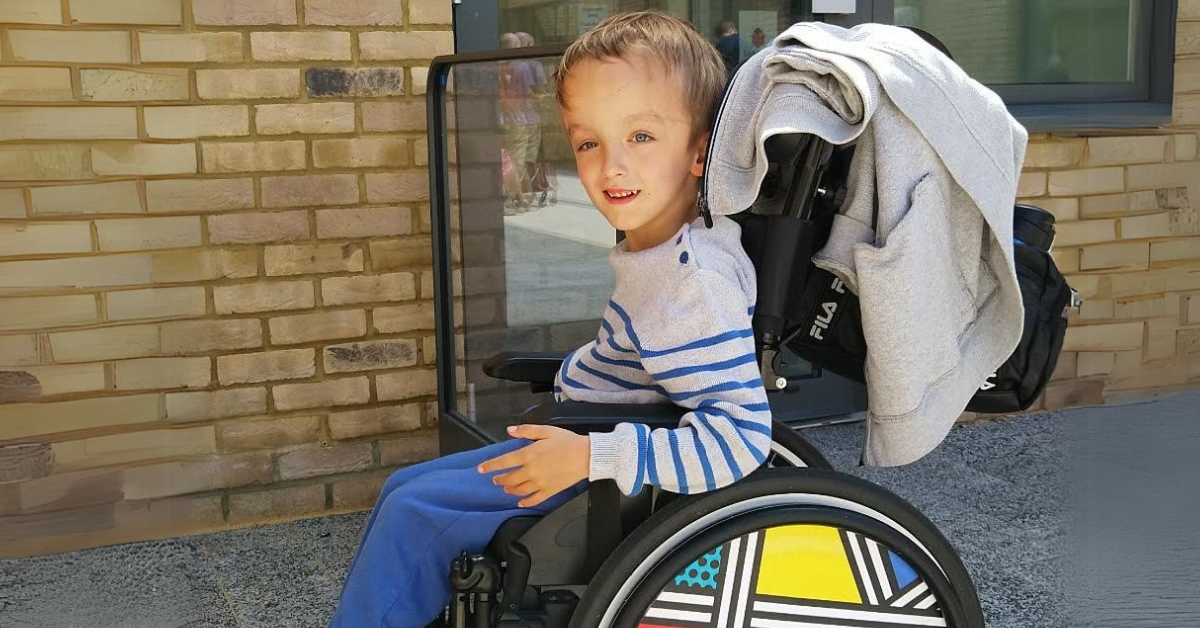
We act for Luke* whose mother initially approached us for advice surrounding the neonatal management of her son. We identified significant concerns over her antenatal care and ambulance transfer to hospital when she went into pre-term labour.
What Led to the Hypoxic Brain Injury During Birth?
This pregnancy was identified as being high risk from the outset with Luke’s mother being older with a history of miscarriages. At the 13-week antenatal check-up, a blood test showed low levels of the pregnancy hormone PAPP-A resulting in further testing to rule out the risk of Down syndrome which could be indicated. No further risk factors were discussed.
There was no mention of any increased risk of pre-term delivery. No guidance was given on what steps should be taken if there were concerns of early labour or what to look out for. Luke’s mother raised her concerns about the low PAPP-A levels at a subsequent antenatal appointment, but she was reassured that there was no cause for undue concern. We later discovered through expert evidence that the risk of pre-term delivery in this pregnancy was nine times higher than usual posing a significant risk to both mother and baby. Having pushed this matter towards trial, the Obstetrician for the NHS Trust admitted this significant risk and that appropriate warnings should have been given in the circumstances, which may have avoided the hypoxic brain injury.
At around 30 weeks of gestation, Luke’s mother began experiencing contractions, which she initially believed to be Braxton Hicks. Not being fully informed about the risks associated with her pregnancy, she didn’t become overly concerned until travelling home from work by train later that day. During the journey, the contractions became more frequent and painful, and she realised she may be bleeding. She called her husband who in turn called the emergency services. Once home, the bleeding and pain intensified. Although the situation was urgent, the ambulance was delayed and even following arrival there were further delays and an overall lack of urgency in transfer to hospital.
Hypoxic ischaemic insult (HIE) and hydrocephalus
When Luke’s mother reached the delivery suite, she was swiftly transferred to theatre but by this time a fetal heart rate could no longer be heard, and it subsequently became clear that there had been a placental abruption depriving Luke of oxygen completely in the period immediately prior to delivery. When Luke was born, he was not breathing and required immediate resuscitation. He developed an intraventricular haemorrhage to the left side of his brain and went on to develop severe hydrocephalus requiring a shunt and to be diagnosed with cerebral palsy.
Financial Security for the Future
NHS Resolution resolved our client’s claim for damages following our allegations that had his mother been warned of the risks of pre-term delivery she would have attended her hospital or midwife earlier that afternoon resulting in an earlier admission to hospital and a controlled delivery. On admission to hospital the risk to mother and baby would have been identified and earlier delivery would have avoided the subsequent hypoxic brain injury during birth.
Luke is now nearly 8 years of age and has limited mobility, being wheelchair dependent. He is registered blind with right sided visual impairment and has global developmental delay. He will require 24/7 care in the future through a team of carers and support through specifically designed equipment, transport and suitable accommodation considering his individual needs.

If you are concerned about the care you received before, during or after your pregnancy, that could have caused or contribute to a brain injury for your child, please get in touch with Kay Taylor and our team of specialist solicitors to find out how we can help.
Get in Touch
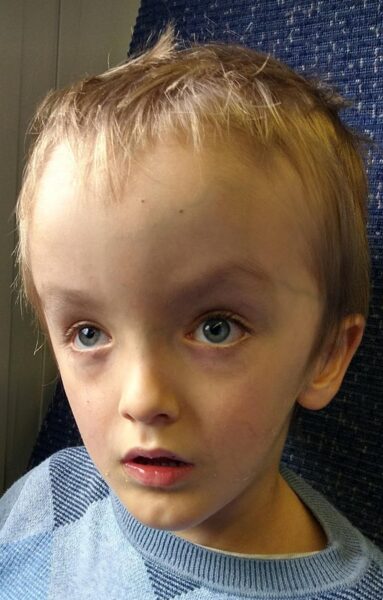
“I am very pleased with the settlement agreed with NHS Trust. This will mean that my son will have access to the best care and equipment throughout his life, which we would not be able to provide ourselves. Also, when we are no longer here, he will not have to rely financially on his older brother. Our future looks much brighter now. I am very grateful to our legal team for the excellent work they have done during past few years to achieve this outcome.”
Luke’s Mother
Helping Families to Claim For Hypoxic Brain Injury During Birth
This claim for damages was heavily and consistently disputed by the NHS Trust where our client was born, and where antenatal care was provided as well as by the ambulance service until shortly before a liability trial was due to take place. Despite a robust denial in the Trust’s Letter of Response to any potential claim and in the Defence when litigation proceedings were commenced, the Trust eventually conceded that our client’s mother should have been made aware of her significant increased risk for a pre-term delivery which led to hydrocephalus and a hypoxic brain injury. This significant concession was made following exchange of expert evidence.
After a collaborative approach with Counsel, led by John De Bono KC, and a settlement meeting with those representing the defendant Trust, matters were resolved shortly ahead of trial on our client’s behalf. This will result in a life changing settlement once the claim for damages has been fully valued. In the meantime, our client will receive an interim payment to fund the treatment, care, equipment and support he requires.
Kay Taylor, leading Partner on the case, assisted by Tom Iannaccone, stated:
“This was a difficult claim to pursue given the robust way in which the defendants denied liability on all fronts from the outset right up until a few weeks before trial.
However, we analysed the issues with our experts at length to ensure we secured the best result possible for Luke and his family. It was particularly gratifying to see the defendant expert team concede that warnings should have been given to Luke’s mother at an early stage of the pregnancy given the significant risks of pre-term labour. It’s a shame that this concession couldn’t have been made at an earlier point in the proceedings.
Luke’s mother was deprived of the opportunity to raise an immediate alarm when going into pre-term labour which she would have done if she been armed with this information. This concession and settlement will ensure Luke gets immediate support while we spend time valuing his claim overall with the support of suitable specialists given the complexities of his condition”Kay Taylor, Partner, CL Medilaw
*Names have been changed to preserve confidentiality
Harry’s HAT
Harry’s Hydrocephalus Awareness Trust (Harry’s HAT) was founded in 2018 in response to the need identified following Harry’s diagnosis with hydrocephalus (water on the brain). They became a registered charity in 2019. Harry’s HAT is a very small charity, with just two part-time paid members of staff and a dedicated team of volunteers, yet they manage to provide so much help, guidance and support.
We are thrilled to be able to support Harry’s HAT to enable them to help more families whose lives have been touched by hydrocephalus.
The charity has also written a book which is given free of charge to every newly diagnosed family in the UK called “Hydrocephalus: what I wish I had known”, and are just about to release a second, “Hydrocephalus: starting school” and we now provide grants for families who have a child with hydrocephalus. The grant programme is open twice a year, subject to funds. You can find details of when the fund opens at their website.